

Deep vein thrombosis (DVT) occurs when blood clots form in deep veins, which may lead to complications such as pulmonary embolism. Some individuals experience pain, swelling, or discomfort, while others may not have noticeable symptoms. Several treatment options, including thrombolysis, may help manage the condition and improve circulation. Consulting a healthcare professional can provide guidance on appropriate management based on individual health needs.

Dr Benjamin Chua, MBBS, MHSc, MRCSEd, FRCSed, FAMS
Table of Contents
Why DVT Requires Immediate Attention
Deep vein thrombosis (DVT) usually happens in the legs. Some individuals experience pain, swelling, or discomfort, while others may not show any symptoms at all. If left untreated, DVT can lead to serious complications, such as a pulmonary embolism (PE) —a life-threatening condition where the clot travels to the lungs and blocks blood flow.
In Indonesia, DVT is commonly seen in high-risk individuals, such as those who are bedridden or have prolonged immobility. Recognizing risk factors and taking preventive measures can help reduce complications. Early recognition of risk factors and symptoms, along with prompt treatment, can help prevent complications and improve circulation.
DVT Symptoms and Early Warning Signs
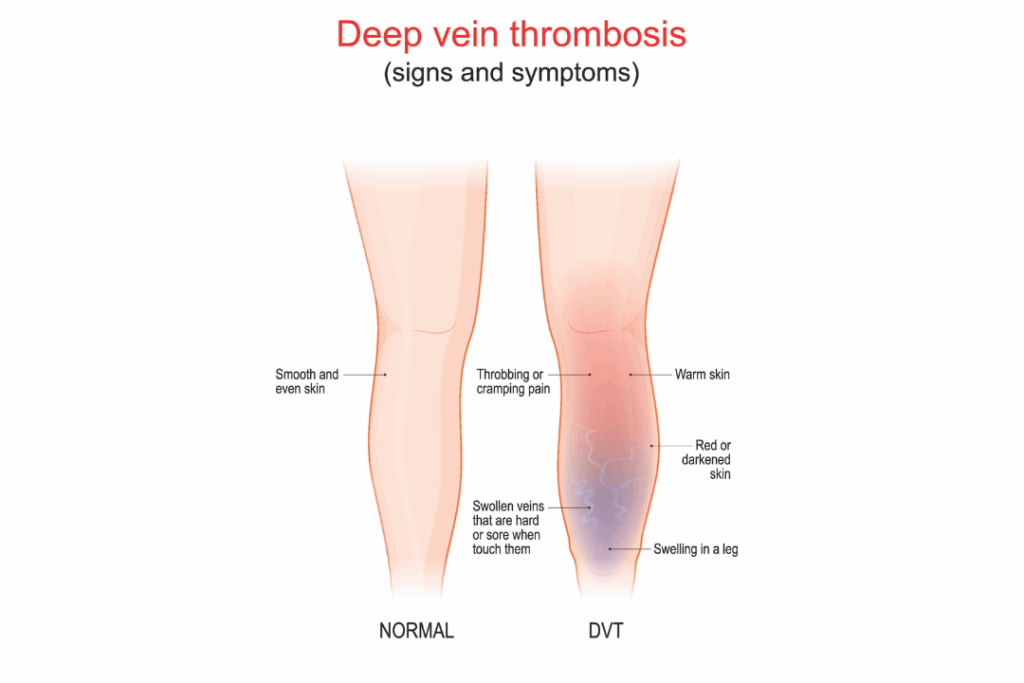
DVT symptoms can range from mild to severe, or in some cases, remain unnoticed, making early detection challenging. However, common signs include:
- Pain or tenderness in the affected leg, often starting in the calf.
- Swelling in one leg, sometimes accompanied by a heavy, aching sensation.
- Red or discolored skin over the affected area.
- Warmth in the swollen or painful area.
If a clot travels to the lungs (pulmonary embolism), symptoms may include sudden shortness of breath, chest pain, dizziness, or rapid heart rate, which requires immediate medical attention.
Who is at Risk for DVT? Common Causes and Triggers
Several factors increase the likelihood of developing DVT, including:
- Prolonged immobility (long period of inactivity) – Extended bed rest, long flights, or paralysis may reduce blood flow, increasing clot formation risk.
- Recent injury or surgery – Trauma or major surgeries, particularly in the legs or pelvis, may trigger clotting due to vein damage.
- Obesity – Excess weight may increase pressure on veins, potentially leading to DVT.
- Heart failure – Reduced circulation from heart conditions may contribute to clot formation.
- Hormonal changes – Pregnancy, birth control pills, and hormone therapy may affect blood clotting.
- Smoking – May contribute to blood vessel damage and circulation issues.
- Cancer and inflammatory diseases – Some conditions, such as cancer or inflammatory bowel disease, may elevate clotting risks.
- Genetic predisposition – A personal or family history of DVT may increase susceptibility.
- Age – Individuals over 60 may have a higher likelihood of developing DVT.
Recognizing these risk factors can help guide preventive strategies and early medical intervention.
How to Prevent DVT from Getting Worse?
The primary goals of DVT treatment are to prevent clot enlargement, reduce the risk of PE, and minimize long-term complications. Treatment options include:
- Anticoagulants (blood thinners) – Medications such as heparin and warfarin prevent further clot formation and are the first-line treatment in most cases.
- Thrombolysis – This procedure involves clot-dissolving drugs to break down large clots quickly and is used in severe cases.
- Pharmacomechanical thrombectomy – A minimally invasive method combining mechanical clot removal with medication.
- Surgical options – In certain cases, vena cava filters or surgical clot removal may be considered to prevent further complications.
Seeking medical attention as soon as DVT symptoms appear is crucial. Delayed treatment increases the risk of complications which can lead to chronic pain, swelling or even death. If you notice symptoms of DVT, consult a vascular specialist immediately to determine the most suitable treatment plan.
Thrombolysis: How It Works and Its Potential Benefit
Thrombolysis is a targeted treatment for severe DVT cases where standard blood thinners may not suffice. This procedure involves delivering clot-dissolving medication directly into the affected vein to restore blood flow.
How thrombolysis works:
- A clot-dissolving drug is administered via a catheter placed in the affected vein.
- Catheter-directed thrombolysis uses imaging guidance to precisely target the clot, minimizing impact on surrounding tissues.
This method improves circulation and reduces symptoms like swelling and discomfort.
Benefits of Thrombolysis:
- Can help dissolve clots more rapidly in certain cases
- Lower risk of post-thrombotic syndrome, a long-term complication of DVT.
- As a minimally invasive procedure, it may reduce hospital stay in suitable patients.
In some cases, thrombolysis is combined with pharmacomechanical thrombectomy for enhanced effectiveness. The decision to undergo thrombolysis depends on individual health factors and clot severity, requiring specialist evaluation.
Recovering from DVT: What to Expect After Treatment
Recovery following DVT treatment is essential for preventing future complications. Here’s how you can support your healing process:
- Stay Active:Light physical activity, such as walking, promotes circulation and prevents new clots from forming.
- Follow Medication Instructions:Blood thinners help reduce the risk of recurrent clots—ensure you take them as prescribed.
- Wear Compression Stockings:These can aid in reducing swelling and improving blood flow, especially post-thrombolysis.
- Monitor for Symptoms:If you experience worsening swelling, chest pain, or shortness of breath, seek immediate medical attention.
- Attend Follow-Up Appointments:Regular check-ups help track your progress and make necessary treatment adjustments.
Adopting healthy habits and maintaining regular follow-ups help with your doctor will support long-term vascular health. Consulting with a specialist can provide personalized guidance based on individual needs.
Meet Dr. Benjamin Chua: A Vascular Surgeon
Selecting the right specialist is crucial for effective DVT management. Dr. Benjamin Chua, a vascular and endovascular surgeon, focuses on managing vascular conditions such as catheter-directed thrombolysis, including catheter-directed thrombolysis to restore blood flow and reduce complications.
Dr. Chua’s expertise is built on a strong foundation. He graduated from the National University of Singapore and trained at institutions such as Duke University and St. Vincent’s Hospital in Melbourne, Australia. Dr. Chua has performed over 8,000 vascular procedures and has participated in regional training initiatives for medical professionals.
Dr. Chua evaluates each case based on clinical needs to determine an appropriate treatment plan. Dr. Chua’s clinic provides Bahasa Indonesia support services and has a liaison office in Indonesia to assist with coordination and communication.
Your Questions Answered: DVT, Treatment, and Recovery
Vein disease refers to conditions where veins do not function properly, leading to issues such as varicose veins and chronic venous insufficiency. In healthy veins, valves help blood flow toward the heart, but when they weaken, blood may pool, causing discomfort and swelling.
Symptoms of thrombosis may vary depending on the location of the clot. Deep vein thrombosis (DVT) may present as leg swelling, pain, warmth, or skin discoloration, while arterial thrombosis may cause stroke or heart attack symptoms, such as chest pain, numbness, or speech difficulties.
Blood clots may form due to injury, slow blood circulation, obesity, smoking, prolonged immobility, or certain medical conditions. Some individuals may also have an inherited tendency toward increased clotting risk.
Treatment for deep vein thrombosis may include blood thinners, compression stockings, and in some cases, procedures to remove or dissolve the clot. Early treatment may help prevent complications, such as pulmonary embolism.
If DVT is suspected, seeking medical evaluation from a general physician, vascular surgeon, hematologist, or interventional radiologist may be recommended, depending on the severity of the condition.
Avoid prolonged sitting, crossing the legs, or stopping prescribed medications without medical advice. If symptoms worsen, including shortness of breath or chest pain, urgent medical attention is advised.
Certain foods, such as processed meats, trans fats, and excessive alcohol, may increase clotting risk. Additionally, foods high in vitamin K, such as kale and spinach, may interact with blood thinners and should be consumed under medical guidance.
In some cases, the body may naturally dissolve a clot over time, but others may experience long-term effects, such as vein scarring or post-thrombotic syndrome. Early treatment may improve recovery outcomes.
Thrombosis occurs when a blood clot forms within a vessel, while embolism refers to a clot or foreign object that has traveled through the bloodstream and blocked another vessel. A DVT clot can lead to pulmonary embolism if it moves to the lungs.
Arterial thrombosis may reduce or block blood flow to vital organs, potentially leading to heart attacks, strokes, or critical limb ischemia. It is often associated with atherosclerosis, where plaque buildup causes artery narrowing.
Take Action Against DVT
If you or a loved one are experiencing symptoms of DVT, seeking expert care can make all the difference in preventing serious complications and ensuring a smooth recovery. To learn more about treatment options for DVT, contact our clinic for further information.