

Erectile Dysfunction is Common But Treatment Options Are Available
Erectile dysfunction (ED) is a condition that can affect confidence, relationships, and overall well-being. If medications have not been effective, medical procedures such as angioplasty a minimally invasive treatment aimed at improving blood flow may be an option for some patients.
This article explores how angioplasty and other approaches may help manage ED symptoms.

Dr Benjamin Chua, MBBS, MHSc, MRCSEd, FRCSed, FAMS
Table of Contents
How Erectile Dysfunction Affects Your Life and How to Treat It
Erectile dysfunction (ED) is more common than many realize. In Indonesia, 35.6% of men experience some degree of ED, and the risk increases with age. While occasional difficulties are normal, persistent ED can affect self-esteem, relationships, and overall happiness.
In some cases, ED can indicate underlying health conditions such as poor circulation, diabetes, or heart disease. Identifying and managing these conditions early can support better vascular health.
Various treatment options are available for ED. If medications or lifestyle adjustments have not been effective, medical procedures like angioplasty may be considered for patients with vascular-related ED.
What Is Erectile Dysfunction? Causes and Concerns
Erectile dysfunction (ED), or impotence, refers to the persistent difficulty in achieving or maintaining an erection firm enough for sexual activity. While occasional difficulties are common, frequent or ongoing ED may indicate an underlying medical condition that requires evaluation.
ED impacts both physical and emotional well-being. Factors such as stress, performance anxiety, depression, and low self-confidence often exacerbate symptoms, sometimes creating a cycle where psychological distress worsens erectile difficulties.
In older men, ED is commonly associated with conditions such as diabetes, heart disease, or high blood pressure. These conditions can reduce blood flow to the penis, making it harder to achieve a firm erection. In some cases, ED may be an early indicator of cardiovascular disease, as circulatory issues in the penile blood vessels can precede broader heart-related complications.
Identifying and addressing the underlying cause of ED is important for both sexual health and overall well-being. Various treatment options are available depending on the specific factors contributing to the condition.
Why ED Happens: Key Factors to Know
Erectile dysfunction (ED) can result from a combination of medical, lifestyle, and psychological factors. Understanding these risk factors may help in determining an appropriate treatment approach.
Common Causes of ED:
- Medical conditions – Chronic conditions such as diabetes, heart disease, high blood pressure, and atherosclerosis may reduce blood flow to the penis, affecting erectile function.
- Lifestyle factors – Smoking, obesity, excessive alcohol consumption, and physical inactivity can negatively impact circulation and hormone levels, potentially leading to ED.
- Psychological causes – Stress, anxiety, and depression may interfere with sexual function by influencing hormone levels and increasing psychological distress related to performance.
- Hormonal imbalances – Low testosterone, high prolactin levels, and thyroid disorders can affect libido and erectile function.
- Medications and injuries – Some medications, including certain blood pressure drugs and antidepressants, may have ED as a side effect. Additionally, injuries or surgical procedures affecting the nerves, spinal cord, or pelvic region can impact erectile function.
While ED becomes more common with age, it is not an inevitable consequence of aging. Identifying the specific factors contributing to ED can help determine an appropriate treatment approach.
Treatment for Erectile Dysfunction
The treatment approach for erectile dysfunction (ED) depends on the underlying cause and severity of the condition. Available options include:
- Lifestyle modifications – Engaging in regular physical activity, maintaining a healthy weight, quitting smoking, and reducing alcohol consumption may help improve circulation and support erectile function.
- Medications – Oral medications may help increase blood flow to the penis. However, they may be less effective in cases of severe vascular impairment.
- Hormone therapy – For men with low testosterone, hormone replacement therapy may help restore libido and improve erectile function.
- Vacuum erection devices – These medical devices promote blood flow to the penis, assisting in achieving an erection.
- Angioplasty – This minimally invasive procedure may be considered for individuals with ED related to vascular disease, as it aims to improve blood flow to the penile arteries.
- Venous leak embolization – A minimally invasive procedure that blocks abnormal venous drainage, preventing blood from escaping too quickly. This helps men with venogenic erectile dysfunction maintain an erection.
At Vascular & Interventional Centre (VIC), venous leak embolization is one of the available medical procedures offered for ED, particularly for men who have not responded well to medication or other therapies. Venous leak embolization is offered at VIC for patients with vascular-related ED who may not respond to medications. The procedure is minimally invasive and aims to improve erectile function by addressing abnormal venous drainage.
Addressing the underlying cause of ED is essential for effective management. Depending on individual health factors, a combination of lifestyle changes, medications, or medical procedures may be recommended.
Is It Time to Seek ED Treatment? Signs to Watch
Individuals experiencing persistent erectile dysfunction (ED) may benefit from consulting a healthcare provider. Seeking medical evaluation may be advisable if:
- Lifestyle modifications and medications have not been effective – If changes such as improving diet, engaging in physical activity, or using ED medications have not yielded results, alternative treatment options may be considered (source).
- Symptoms are progressively worsening – If erectile function has continued to decline over time or if achieving an erection has become increasingly difficult, this may indicate reduced blood flow that warrants medical assessment.
- An underlying vascular condition is present – Health conditions such as heart disease, diabetes, or atherosclerosis can contribute to ED. In some cases, vascular treatments such as angioplasty may be discussed as potential options.
- ED is impacting quality of life – If ED is leading to emotional distress, relationship concerns, or reduced self-confidence, discussing possible management strategies with a healthcare professional may be beneficial.
While ED can be distressing, various treatment approaches exist. Consulting a medical professional can help determine the most suitable course of action based on individual health factors.
Angioplasty as a Treatment for Erectile Dysfunction
For individuals with erectile dysfunction (ED) associated with reduced blood circulation, angioplasty may be considered as a potential treatment. This minimally invasive procedure aims to improve blood flow to the penile arteries, which may help restore erectile function.
Here’s what to expect:
- A small catheter is inserted into an artery, typically in the groin.
- A tiny balloon is inflated to widen narrowed arteries.
- In some cases, a stent may be placed to help keep the artery open.
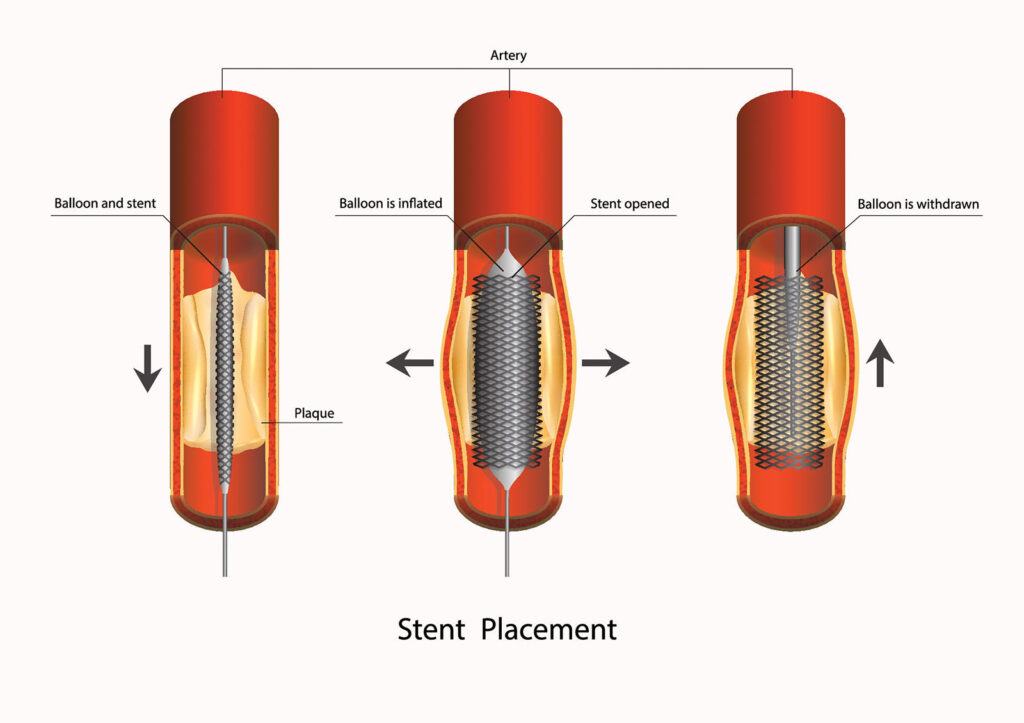
Angioplasty is a non-surgical approach that aims to improve blood flow. While some individuals experience positive outcomes, the effectiveness of the procedure varies depending on individual health conditions. A consultation with a healthcare provider can help determine whether this treatment is appropriate.
Recovery After Angioplasty for Erectile Dysfunction
Adhering to post-procedure guidelines following angioplasty for erectile dysfunction (ED) may support better recovery and treatment outcomes.
Post-Treatment Recommendations:
- Medication adherence – Blood-thinning medications may be prescribed to help prevent artery blockages.
- Activity precautions – Strenuous physical activity, including heavy lifting, should be avoided for a few days following the procedure.
- Monitoring progress – Any unusual discomfort, changes, or concerns should be reported to a healthcare provider.
- Lifestyle modifications – Engaging in regular exercise, following a balanced diet, and avoiding smoking can support vascular health over time.
Vascular Specialist in Erectile Dysfunction Treatment
Dr. Benjamin Chua is a vascular and endovascular surgeon who has performed numerous procedures in managing erectile dysfunction (ED) related to vascular conditions. He has performed minimally invasive procedures for patients with vascular-related ED, including angioplasty, for patients with vascular-related ED.
Dr. Chua works closely with patients to determine suitable treatment plans, ensuring that individuals receive appropriate care in a professional and discreet setting. His team includes a dedicated Bahasa-speaking concierge service and an Indonesian office to provide seamless support throughout the consultation and treatment process.
For individuals considering vascular treatment for ED, consulting a qualified healthcare provider can help determine the most suitable management plan.
Common Questions About Erectile Dysfunction & Treatment
Several factors may affect sexual function, including hormonal imbalances (e.g., low testosterone), lifestyle factors (e.g., smoking, obesity, poor sleep), psychological stress, and medical conditions such as diabetes, hypertension, and heart disease.
Erectile dysfunction (ED) impacts the ability to achieve an erection but does not directly affect sperm production. Sperm health is primarily influenced by testicular function and hormone levels. However, individuals with ED may experience challenges with natural conception.
ED may result from a combination of factors, including medical conditions (diabetes, heart disease, high blood pressure), psychological factors (stress, anxiety, depression), lifestyle choices (smoking, alcohol use, physical inactivity), hormonal imbalances, or medication side effects.
In many cases, ED may be managed through a combination of lifestyle modifications, medications, or medical procedures. Treatment approaches vary based on individual health conditions and may include exercise, smoking cessation, stress management, medications that support blood flow, and, in some cases, surgical interventions.
While ED itself is not life-threatening, it may indicate an underlying health condition such as cardiovascular disease, high blood pressure, or diabetes. Individuals experiencing persistent ED should consult a healthcare provider for further evaluation.
ED symptoms may include difficulty achieving or maintaining an erection, reduced sexual desire, or erections that do not last long enough for satisfactory sexual activity. Some individuals may still experience spontaneous or morning erections but face difficulties during intercourse.
Treatment options vary and may include oral medications, vacuum erection devices, penile injections, hormone therapy, lifestyle modifications, and, in some cases, surgical implants. Psychological counseling may be beneficial for individuals with stress-related ED.
Certain lifestyle choices may support erectile function, including maintaining a balanced diet, engaging in regular physical activity, managing stress, getting sufficient sleep, and avoiding tobacco and excessive alcohol use. Managing underlying health conditions may also help reduce the risk of ED.
Partners can offer support by promoting healthy habits, maintaining open communication, and encouraging a medical consultation if needed. Understanding that ED is a medical condition rather than a personal failing may help reduce stress and improve emotional well-being.
You can simply contact our Patient Assist team via WhatsApp. We’ll help you arrange your consultation, check doctor availability, and guide you through the next steps.
Exploring Treatment Options for Erectile Dysfunction
Erectile dysfunction (ED) is a manageable condition, and various treatment options are available. While lifestyle modifications and medications may be beneficial for some individuals, those with vascular-related ED may consider medical procedures such as angioplasty to improve blood flow.
Individuals seeking treatment for ED may benefit from consulting a healthcare professional to determine the most appropriate approach. A thorough evaluation can help identify underlying causes and guide treatment decisions based on individual health needs.
For those interested in learning more about vascular treatment options for ED, speaking with a medical professional can provide further guidance on available management strategies.