

Are Your Symptoms Getting Worse?
Frequent trips to the bathroom, especially at night, a weak urine stream, or the feeling of not emptying the bladder completely are common symptoms of Benign Prostatic Hyperplasia (BPH), or prostate enlargement. As these symptoms worsen, they can start to disrupt sleep and daily life.
If medication is no longer helping, you may have been advised to consider surgery. But many patients wonder if there are less invasive options that can still provide relief.

Dr Chen Min Qi, MBBS, MRC, FRCS, FAMS
What Is BPH and Why It Matters
Benign Prostatic Hyperplasia (BPH) is a common condition where the prostate gland gradually enlarges with age, pressing against the urinary tract and affecting normal urine flow. While not cancerous, it can lead to symptoms such as frequent urination, a weak stream, and the feeling of incomplete bladder emptying.
Over time, these symptoms may worsen and begin to affect sleep, daily activities, and overall quality of life. For many patients, the main concern is not just the diagnosis itself, but how to manage symptoms effectively, especially when medications are no longer providing enough relief.
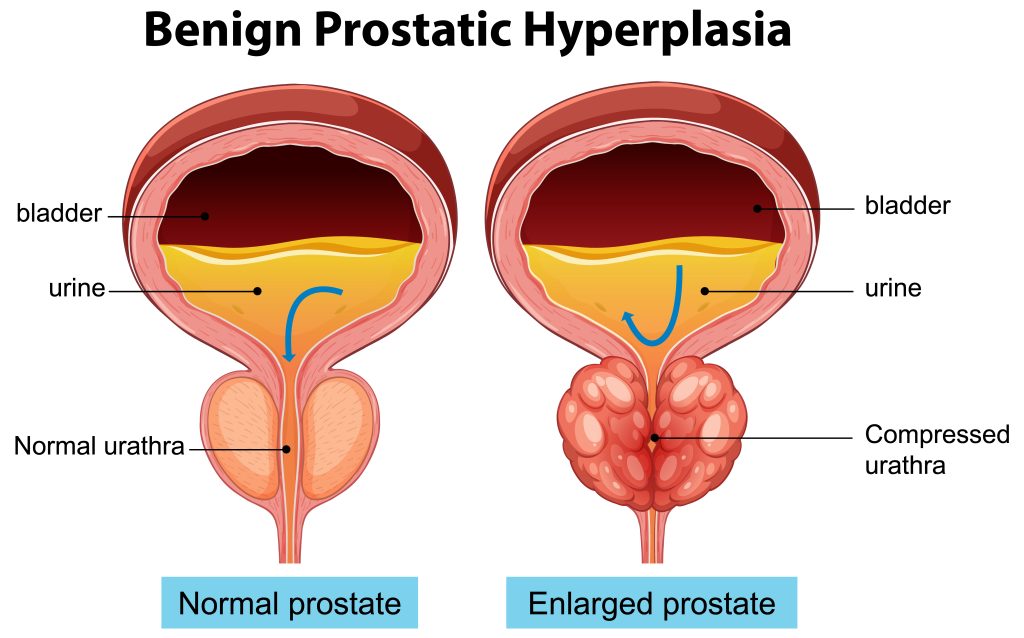
Do I Need Surgery, or Are There Other Options?
When symptoms of Benign Prostatic Hyperplasia (BPH) become more bothersome, treatment is usually considered in stages. Medications are often the first step, but they may not provide sufficient or lasting relief for everyone.
Surgery is commonly recommended when symptoms persist or worsen. While surgical procedures can be effective, they may involve hospitalisation, longer recovery, and potential side effects that some patients are concerned about.
In recent years, minimally invasive, image-guided treatments have become available as an alternative for selected patients. One such option is Prostate Artery Embolization (PAE), which targets the blood supply to the prostate to reduce its size and relieve symptoms, without the need for major surgery.
What Is Prostate Artery Embolization (PAE)?
Prostate Artery Embolization (PAE) is a minimally invasive, image-guided procedure used to treat symptoms of Benign Prostatic Hyperplasia (BPH).
Instead of removing prostate tissue through surgery, PAE works by reducing the blood supply to the prostate gland. This causes the prostate to gradually shrink, helping to relieve pressure on the urinary tract and improve symptoms.
The procedure is performed through a small puncture, usually in the wrist or groin. A thin tube is guided through the blood vessels to the arteries supplying the prostate, where tiny particles are used to block selected blood flow. This approach allows treatment to be targeted while preserving surrounding structures.
PAE is typically performed under local anaesthesia, and most patients are able to return home on the same day or shortly after. Because there is no surgical removal of tissue, recovery is generally quicker compared to traditional procedures.
PAE vs Surgery: What’s the Difference?
When symptoms of Benign Prostatic Hyperplasia (BPH) become more severe, surgical procedures such as transurethral resection of the prostate (TURP) are commonly recommended. These procedures involve removing or trimming prostate tissue to relieve obstruction.
Prostate Artery Embolization (PAE) offers a different approach. Instead of removing tissue, it reduces blood flow to the prostate, allowing it to shrink gradually over time.
Some key differences include:
| Aspect | Surgical Treatment (e.g. TURP) | Prostate Artery Embolization (PAE) |
|---|---|---|
| Approach | Removal or trimming of prostate tissue through the urinary tract | Reduces blood supply to the prostate, allowing it to shrink over time |
| Invasiveness | Invasive procedure involving instruments inserted through the urethra | Minimally invasive, performed through a small puncture in a blood vessel |
| Anaesthesia | Often requires regional or general anaesthesia | Typically performed under local anaesthesia |
| Hospital Stay | May require hospitalisation | Usually a day procedure or short stay |
| Recovery Time | Require a longer recovery period | Recovery is generally shorter |
| Bleeding Risk | Risk of bleeding due to tissue removal | Lower risk of bleeding as no tissue is surgically removed, though risks still exist |
| Impact on Sexual Function | May affect ejaculation or sexual function in some cases | Have a lower risk of affecting sexual function |
| Suitability | Suitable for patients fit for general anaesthesia | Suitable for selected patients based on vascular anatomy and patients not fit for general anaesthesia |
Both approaches have their role in treatment. The most appropriate option depends on your symptoms, prostate size, overall health, and treatment goals.
Am I Suitable for PAE?
Prostate Artery Embolization (PAE) is not suitable for everyone. The most appropriate treatment depends on your symptoms, prostate size, overall health, and individual treatment goals.
You may be considered for PAE if you:
- Have moderate to severe urinary symptomsthat affect daily life
- Have not achieved sufficient relief with medication
- Prefer to avoid or delay surgery, where clinically appropriate
- Are suitable for a minimally invasive, image-guided procedure based on vascular assessment
PAE may be less suitable if you:
- Have certain anatomical or vascular conditions that make the procedure technically difficult
- Have other underlying conditions requiring a different treatment approach
- Require more immediate surgical intervention based on severity of symptoms
A detailed consultation and imaging assessment are important to determine whether PAE is appropriate for your condition. This ensures that the chosen treatment is safe and aligned with your individual needs.
What to Expect During the Procedure
Prostate Artery Embolization (PAE) is performed by accessing the blood vessels rather than making surgical cuts. The procedure is typically done under local anaesthesia with light sedation, allowing patients to remain comfortable throughout.
A very small catheter is inserted through an artery, usually from the wrist or groin. Using advanced imaging guidance, the catheter is carefully navigated to the blood vessels supplying the prostate.
Once in position, tiny medical particles are released to reduce blood flow to targeted areas of the prostate. Over time, this causes the prostate to gradually shrink, helping to relieve pressure on the urinary tract and improve symptoms.
The procedure typically takes about 1 to 2 hours, depending on individual anatomy. Most patients are able to return home on the same day after a short period of observation.
PAE offers several characteristics that many patients find reassuring:
- No surgical incision
The procedure is performed through a small puncture, with no cuts or stitches required - Minimally invasive approach
As no tissue is surgically removed, the procedure avoids many aspects of traditional surgery - Preservation of function
The treatment is designed to minimise impact on urinary and sexual function, depending on individual factors - Convenience for international patients
As it usually does not require a prolonged hospital stay, it may be suitable for patients travelling for treatment
Recovery and Aftercare
Recovery after Prostate Artery Embolization (PAE) is generally manageable, with most patients able to return home on the same day.
In the first 24 to 48 hours, rest is recommended. Some patients may experience mild pelvic discomfort, increased urinary frequency, or a slight burning sensation during urination. These symptoms are usually temporary and can be managed with medication if needed.
Over the next few days:
- Light daily activities can usually be resumed
- Adequate hydration is encouraged
- Heavy lifting or strenuous activity should be avoided
Symptom improvement is typically gradual. Some patients may notice changes within a few weeks, with continued improvement over 1 to 3 months as the prostate reduces in size.
Follow-up is important to monitor progress and ensure recovery is on track. For international patients, the relatively short recovery period can make it easier to return home and continue recovery with appropriate guidance.
Why Consider Treatment in Singapore?
For procedures such as Prostate Artery Embolization (PAE), outcomes depend not only on the technique, but also on careful planning, experience, and follow-up care.
Many patients choose to seek treatment in Singapore due to its healthcare system’s alignment with international clinical standards, supported by structured protocols, advanced imaging technology, and well-equipped hybrid operating facilities. These factors help support precise, image-guided treatment.
In addition, patients often value the overall care process, including clear communication during consultation, careful treatment planning, and organised follow-up after the procedure. For international patients, coordinated support and language assistance can also help make the experience more manageable from consultation through to recovery.
About Dr Chen Min Qi
Choosing the right specialist is an important part of considering minimally invasive treatments such as Prostate Artery Embolization (PAE). Dr Chen Min Qi is a fellowship-trained vascular and endovascular surgeon with a focus on image-guided, minimally invasive procedures.
He is experienced in performing PAE and other complex embolization procedures, which require detailed understanding of blood vessel anatomy, precise catheter navigation, and careful protection of surrounding structures. These techniques are particularly important in ensuring that treatment is delivered accurately and safely.
Dr Chen has been involved in more than 2,000 vascular and interventional procedures, with an emphasis on careful patient selection, procedural precision, and achieving meaningful symptom improvement.
At the Vascular & Interventional Centre, procedures are carried out in a hybrid operating theatre equipped for advanced imaging and minimally invasive treatment. Indonesian patients are supported by Bahasa-speaking concierge services and local coordination, helping to ensure a smooth and well-organised care journey from consultation through to follow-up.
FAQs
BPH is not cancerous, but it can become serious if left untreated. It may lead to complications such as urinary retention, infections, or bladder problems if symptoms worsen over time.
BPH does not usually go away on its own. While mild symptoms can be managed, the condition may gradually progress with age.
You may consider PAE when your symptoms persist despite medication, or when they begin to significantly affect your daily life and comfort.
PAE is generally well tolerated. It is performed under local anesthesia with mild sedation, so most patients feel minimal discomfort during the procedure.
Most patients recover quickly and can resume light activities within a few days. Symptom improvement usually begins within a few weeks.
One of the advantages of PAE is that it is designed to preserve sexual and urinary function, which is an important consideration for many patients.
In most cases, PAE is performed as a day procedure, so you can return to your accommodation / hotel on the same day after a short observation period.
Most patients should allow 2 to 3 days in Singapore for consultation and the procedure. As PAE is usually performed as a day procedure or with a short stay, many patients are able to return home shortly after, depending on their condition and recovery.
Yes, our Indonesian Patient Assist team is available to guide you through the entire process, from initial inquiry to scheduling your consultation and treatment.
You can reach our Indonesian Patient Assist team directly via WhatsApp. They will help you arrange an appointment with Dr Chen Min Qi and support you every step of the way.
Start Your Treatment Journey Today
If you are experiencing ongoing symptoms of Benign Prostatic Hyperplasia (BPH) and exploring alternatives to surgery, a consultation can help determine whether Prostate Artery Embolization (PAE) is suitable for your condition.
Please contact our Indonesian Patient Assist team via WhatsApp to arrange a consultation with Dr Chen Min Qi. The team will assist with appointment scheduling and coordination of your care in Singapore.