Living with Fibroid Symptoms
Have you been diagnosed with uterine fibroids and are struggling with heavy periods or ongoing discomfort? Many patients today are looking for effective treatment options that do not require major surgery.
In addition to conventional surgical approaches, there are now minimally invasive, image-guided treatments that work by targeting the blood supply of fibroids. These approaches aim to relieve symptoms with less disruption to daily life and a faster recovery.

Dr Chen Min Qi, MBBS, MRC, FRCS, FAMS
What Are Uterine Fibroids?
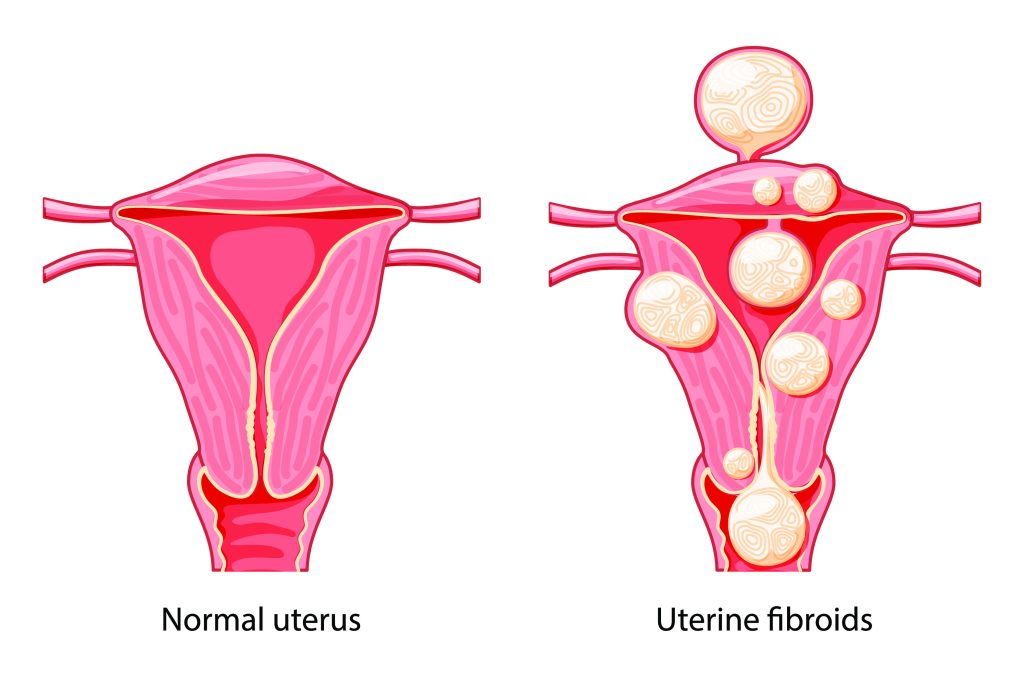
How Fibroids Affect Your Body
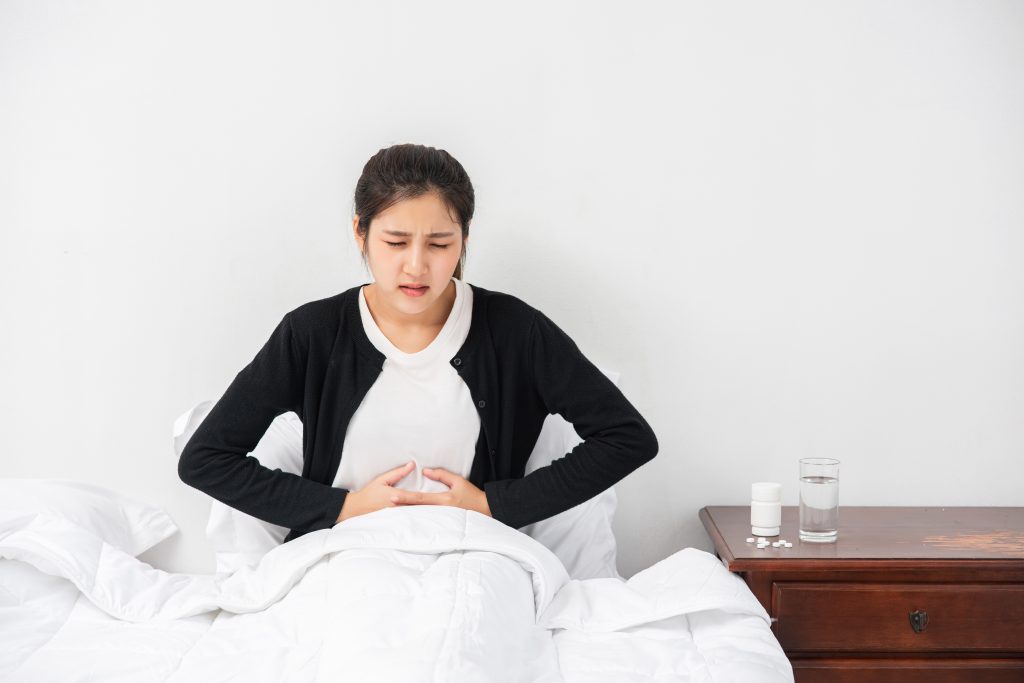
Many women with uterine fibroids experience no symptoms. However, when symptoms do occur, they can affect daily comfort and quality of life.
Common symptoms include:
- Heavy or prolonged menstrual bleeding
- Severe menstrual cramps
- Pelvic pressure or a feeling of fullness
- Bloating or enlargement of the lower abdomen
- Frequent urination
- Constipation
Because these symptoms often develop gradually, many women delay seeking care until the condition starts affecting their daily life.
Causes and Risk Factors
The exact cause of uterine fibroids is not fully understood. However, several factors are known to increase the risk of developing fibroids, including:
- Hormonal influences, particularly estrogen
- Age, most commonly during reproductive years
- Family history of fibroids
- Higher body weight or metabolic factors
While these factors may contribute to fibroid growth, not all women with risk factors will develop symptoms or require treatment.
Ways to Treat Fibroids
Treatment for uterine fibroids depends on the severity of symptoms, the size and location of the fibroids, and your overall health goals. Not all fibroids require immediate treatment, especially if symptoms are mild.
Common treatment approaches include:
- Observation and medical management
Mild symptoms may be managed with monitoring or medication to help control bleeding and discomfort. - Surgical options (Myomectomy or Hysterectomy)
Surgery may be recommended for larger or more complex fibroids. Myomectomy removes the fibroids while preserving the uterus, whereas hysterectomy removes the uterus entirely. These procedures typically involve a longer recovery period. - Minimally invasive, image-guided treatment (UAE)
Uterine artery embolization (UAE) is a non-surgical procedure that works by blocking the blood supply to fibroids, causing them to shrink over time. It is performed through a small catheter and is designed to relieve symptoms with less disruption and faster recovery compared to traditional surgery. This approach targets the blood vessels supplying the fibroids, which is why it can be effective without removing the uterus.
The most appropriate treatment depends on individual factors, and a detailed assessment helps determine which option is best suited to your condition and personal preferences.
Is Uterine Artery Embolization (UAE) Right for You?
Uterine artery embolization (UAE) is not suitable for everyone. The best treatment depends on your symptoms, the size and location of your fibroids, and your overall treatment goals.
You may be a suitable candidate for UAE if you:
- Have moderate to severe symptoms, such as heavy bleeding, pelvic pressure, or pain
- Prefer to avoid major surgery or a longer recovery period
- Have fibroids that are not suitable for surgical removal, or wish to avoid surgery
- Wish to preserve the uterus, based on your individual health considerations
UAE may be less suitable if you:
- Have certain types of fibroids where embolization may be less effective
- Have active pelvic infection or specific medical conditions requiring alternative treatment
A detailed consultation and imaging assessment are important to determine whether UAE is appropriate for your situation. This helps ensure that the treatment chosen is both safe and aligned with your long-term health goals.
How Do I Choose Between UAE and Surgery?
Choosing between uterine artery embolization (UAE) and surgery depends on how your fibroids are affecting you, as well as your treatment priorities.
Surgical options include myomectomy (removal of fibroids while preserving the uterus) and hysterectomy (removal of the uterus). Myomectomy can be performed either through open surgery or minimally invasive (laparoscopic) techniques, depending on the size and location of the fibroids. While surgery physically removes fibroids, it involves incisions into the uterus and typically requires a longer recovery period.
UAE is different. It is a minimally invasive, image-guided procedure performed through a small catheter inserted into a blood vessel. Instead of removing fibroids, UAE works by blocking the blood supply that allows fibroids to grow, causing them to shrink over time. Because there is no surgical incision into the uterus, recovery is usually faster and less disruptive.
For women who wish to avoid major surgery or preserve the uterus, UAE may be an appropriate option in selected cases. The choice is not one-size-fits-all. A detailed assessment, including imaging, helps determine which approach offers the safest and most suitable outcome based on your symptoms and long-term goals.
Benefits of Uterine Artery Embolization
Uterine artery embolization (UAE) is a minimally invasive, image-guided procedure used to treat fibroids while preserving the uterus.
The procedure is performed through a small puncture, usually in the wrist or groin. Using real-time imaging, a thin catheter is guided into the blood vessels supplying the fibroids. Tiny particles are then introduced to block these vessels, reducing blood flow and causing the fibroids to shrink over time.
Because fibroids rely on a strong blood supply to grow, this targeted approach allows treatment without surgical removal.
The key benefits of UAE include:
- Minimally invasive approach with no large surgical incision
- Faster recovery compared to open surgery
- Gradual improvement in symptoms such as heavy bleeding and pelvic pressure
- Preservation of the uterus
- Shorter hospital stay in many cases
Most procedures take about 1–2 hours. Patients are usually able to mobilise within a few hours and may return home the same day or after a short hospital stay, depending on individual recovery.
Recovery and Follow-Up Care
Recovery after uterine artery embolization (UAE) is generally well tolerated. Some discomfort, cramping, or mild fever may occur in the first few days as the fibroids begin to shrink. These symptoms are typically managed with prescribed medication and usually improve within a few days.
To support recovery, patients are generally advised to:
- Rest for a few days after the procedure
- Avoid strenuous activity or heavy lifting for about one week
- Stay well hydrated
- Take prescribed medications as directed
Most patients are able to return to normal daily activities within one to two weeks, depending on individual recovery.
Follow-up is an important part of care. Imaging may be arranged to assess how the fibroids are responding to treatment, and to ensure symptoms are improving as expected.
Meet Dr Chen Min Qi
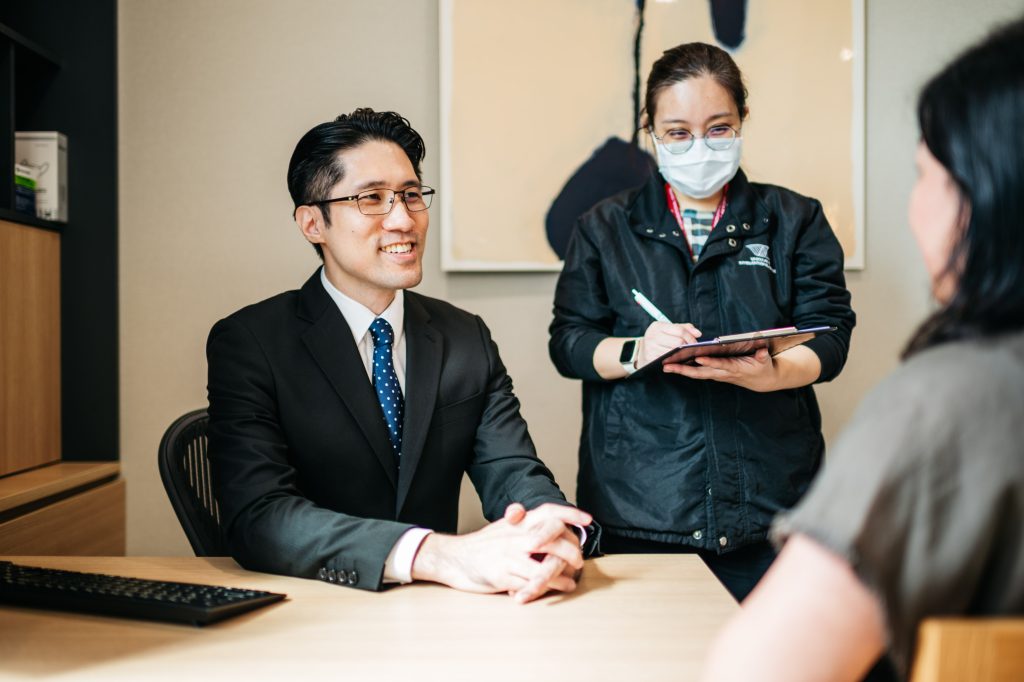
Choosing the right specialist is an important step in the treatment journey. Dr Chen Min Qi is a fellowship-trained vascular and endovascular surgeon with a focus on image-guided, minimally invasive procedures.
He performs uterine artery embolization (UAE) for suitable patients with fibroids, applying techniques that target the blood supply of the fibroids while preserving the uterus. Dr Chen has been involved in more than 2,000 vascular and interventional procedures, with an emphasis on precision, safety, and patient selection.
At the Vascular & Interventional Centre, procedures are performed in a hybrid operating theatre equipped for advanced imaging and minimally invasive treatment. Indonesian patients are supported by Bahasa-speaking concierge services and local coordination, ensuring a smooth and well-organised care journey from consultation to recovery.
FAQs
No, uterine fibroids are non-cancerous (benign) growths. They are very common and are not linked to uterine cancer.
In some cases, fibroids may shrink naturally, especially after menopause. However, during reproductive years, they often remain the same or grow over time.
No. If fibroids are small and not causing symptoms, they can be monitored. Treatment is usually recommended only when symptoms affect daily life or fertility.
Yes, depending on their size and location. Some fibroids can interfere with implantation or pregnancy, while others may not affect fertility at all.
The procedure is typically performed with anaesthesia or sedation. Some discomfort or cramping may occur after the procedure and can usually be managed with medication.
Fibroids usually shrink gradually over weeks to months, and symptom improvement varies from person to person.
UAE treats existing fibroids by shrinking them. While it significantly reduces symptoms, new fibroids may develop in the future, depending on individual factors.
Recovery time varies, but many patients are able to return to light activities within days.
Yes, Indonesian patient assistance is available to help guide you through the entire process, including consultation arrangements, travel planning, and follow-up care.
You can contact our Indonesian support team via WhatsApp to ask questions, check availability, and arrange an appointment at your convenience.
Moving Forward with Confidence
Uterine fibroids are a common condition, but they do not have to affect your quality of life or your long-term goals. With proper evaluation, many women can find an effective treatment that relieves symptoms while preserving the uterus.
If you are considering alternatives to surgery for uterine fibroids, a consultation can help you understand whether a minimally invasive, image-guided approach such as UAE is appropriate for your condition. Our Indonesian support team is available to answer your questions and assist you in arranging a consultation with Dr Chen Min Qi in Singapore.