

Peripheral Artery Disease (PAD) can make everyday movements—like walking or climbing stairs—painful and tiring. If you’re experiencing leg pain, numbness, or difficulty walking, you might wonder: Will this ever improve?
PAD can be managed with appropriate medical care. With the right care, you can ease your symptoms, regain mobility, and protect your health. In this blog, I’ll explain everything you need to know about PAD and how angioplasty and stenting may help relieve symptoms and improve mobility for some patients.

Dr Benjamin Chua, MBBS, MHSc, MRCSEd, FRCSed, FAMS
Table of Contents
What Is Peripheral Artery Disease and Why Does It Matter?
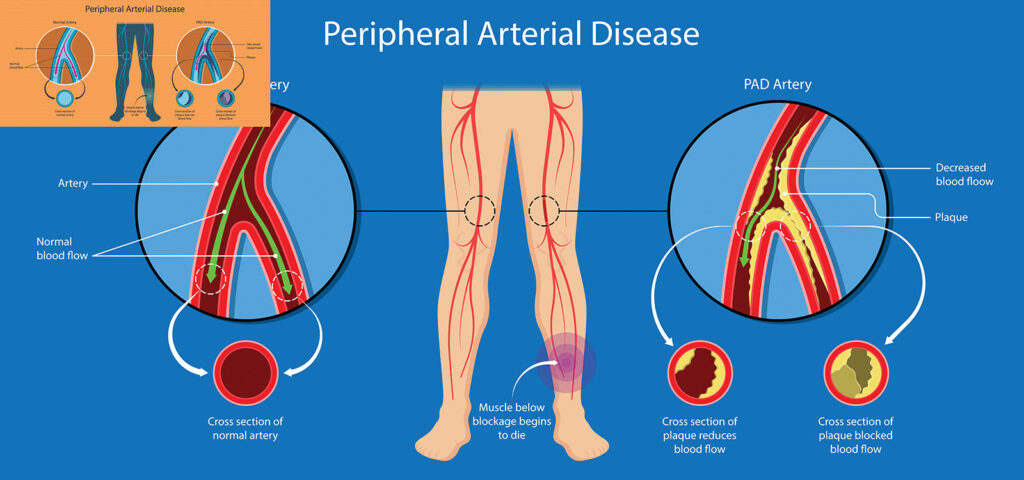
Peripheral Artery Disease (PAD) is a condition that narrows the arteries, reducing circulation to your legs and feet. Left untreated, it can cause pain, limit your mobility, and increase the risk of serious complications like ulcers, infections, and even amputation.
PAD is more common than many people realize. More than 200 million people worldwide are affected. In Indonesia, high smoking rates and the prevalence of diabetes contribute to its increasing common.
With proper care, you can improve blood flow, relieve symptoms, and stay active again. Let’s explore how.
How PAD Affects Your Circulation and Everyday Life
Peripheral Artery Disease (PAD) develops when the arteries supplying blood to the legs become narrowed or blocked due to atherosclerosis—the buildup of fatty deposits that restrict blood flow. This poor circulation can lead to pain, weakness, and slow-healing wounds.
Early symptoms include leg pain while walking (intermittent claudication), which improves with rest. As the condition worsens, pain may occur even at rest, along with numbness, changes in skin color, or sores that don’t heal.
In severe cases, PAD can lead to critical limb ischemia (CLI), where severely reduced blood supply causes ulcers, infections, or even gangrene, increasing the risk of limb loss.
If you experience persistent leg pain, coldness, or slow-healing wounds, seek medical attention. Getting diagnosed early can prevent complications and improve blood flow to your legs.
The Hidden Causes and Risks of PAD
Some factors can also contribute to PAD, increasing the risk over time.
Common Causes of PAD:
- Atherosclerosis – The most common cause, where plaque buildup narrows the arteries and reduces circulation.
- Blood clots – May develop in narrowed arteries, further limiting blood flow.
- Inflammation of blood vessels – Certain conditions can cause swelling in the arteries, making circulation worse.
Who Is Most at Risk?
Several conditions and habits can increase the risk of developing peripheral artery disease. The more risk factors you have, the higher your chances of experiencing it.
- Smoking – Raises PAD risk by up to 400% and speeds up symptom progression.
- Diabetes – High blood sugar weakens and damages blood vessels over time.
- High blood pressure & cholesterol – Lead to plaque buildup, narrowing arteries.
- Age – The likelihood of PAD rises sharply after age 60.
- Lack of exercise – Poor circulation weakens artery health.
If you have these risk factors, early screening and lifestyle changes can help prevent complications.
Treatment Options: From Lifestyle Changes to Advanced Procedures
PAD treatment focuses on improving blood flow, relieving symptoms, and preventing complications. Depending on the severity, treatment may involve lifestyle changes, medications, or minimally invasive procedures like angioplasty and stenting.
Non-Surgical Treatments:
- Healthy lifestyle habits – Quitting smoking, exercising, and eating a heart-healthy diet.
- Medications – Prescribed drugs can help lower cholesterol, control blood pressure, and prevent blood clots.
- Supervised exercise therapy – Improves circulation and helps you walk longer without pain.
Minimally Invasive & Surgical Treatments:
- Angioplasty – A thin tube with a small balloon is inserted into the blocked artery and inflated to widen the vessel.
- Stenting – A tiny mesh tube is placed in the artery to keep it open after angioplasty.
- Bypass surgery – A new blood vessel is used to create a detour around the blockage, restoring blood flow.
Early treatment can prevent complications like severe pain, mobility loss, and in advanced cases, even amputation.
Is It Time for Treatment? Signs You Shouldn’t Ignore
If you’ve been experiencing leg pain, cramping, or wounds that won’t heal, you may be wondering if it’s time to seek treatment. As a vascular specialist, I emphasize the importance of early intervention—delaying treatment can lead to more severe complications. PAD is a progressive disease, and addressing it early can help prevent serious health risks.
Here’s when I recommend considering treatment:
- Pain that affects daily life – If walking even short distances causes discomfort, it’s time to act.
- Wounds that won’t heal – Sores on your legs or feet that heal slowly—or not at all—may signal poor circulation.
- Numbness or weakness in your legs – These could be signs of worsening artery blockage and should be checked.
- Failed non-surgical treatments –If quitting smoking, exercising, and medications haven’t improved your symptoms, procedures like angioplasty and stenting may be necessary.
Seeking treatment early can helps you stay mobile, lowers the risk of complications, and improves overall well-being.
Angioplasty and Stenting: A Minimally Invasive Solution for PAD
When medications and lifestyle changes aren’t enough, I often recommend angioplasty and stenting to restore blood flow. This minimally invasive procedure helps open blocked arteries and relieve symptoms without major surgery.
How the Procedure Works:
- A thin tube (catheter) is inserted into the blocked artery through a small incision, typically in the groin or wrist.
- A tiny balloon at the tip of the catheter is inflated, pushing plaque against the artery walls to widen the vessel.
- In most cases, a stent (a small, flexible mesh tube) is placed to keep the artery open and maintain proper blood flow.
- The catheter is removed, and blood flow improves immediately.
Benefits of Angioplasty and Stenting:
- Restores blood flow, reducing pain and discomfort
- Helps prevent serious complications like ulcers and amputations
- Minimally invasive, with most patients resuming light activities within a week
For many patients, this procedure can contribute to better circulation and symptom relief in appropriate cases
Healing and Recovery: What to Expect After Treatment
Your recovery after angioplasty and stenting is just as important as the procedure itself. Following the right steps will help you heal faster and regain strength.
What to Expect After the Procedure:
- Mild soreness at the incision site is normal and should improve within a few days.
- Most patients can resume light activities within a week, but strenuous exercise and heavy lifting should be avoided for at least 5 to 7 days.
- Drinking plenty of water helps flush out the contrast dye used during the procedure and supports circulation.
How You Can Support Your Recovery:
- Check the incision site for redness, swelling, or unusual pain. Contact your doctor if you notice any concerns.
- Take prescribed medications as directed to prevent blood clots and keep your arteries open.
- Maintain a heart-healthy lifestyle—regular activity and a balanced diet help prevent future artery blockages.
With the right care, you can expect a smooth recovery and sustained benefits over time. Patients are supported throughout the evaluation and recovery process by the care team.
About Dr. Chua and His Approach to PAD Treatment
Dr. Benjamin Chua is a vascular specialist with experience in angioplasty and stenting procedures. He provides minimally invasive options such as angioplasty and stenting for suitable patients. His commitment to precision and patient safety provides care with a focus on safety.
Recognizing the challenges Indonesian patients face, Dr. Chua offers consultation services tailored to patient needs, supported by a Bahasa-speaking concierge team in Singapore. This dedicated team helps ensure a smooth experience, assisting with travel, medical arrangements, and recovery support.
With his focus on patient-centred care and safety, Dr. Chua Provides care to help patients manage symptoms and improve function.
Common Questions About PAD and Its Treatment
Blocked arteries can be treated with lifestyle changes, medications, or medical procedures like angioplasty and stenting. Doctors may prescribe statins to lower cholesterol, perform angioplasty with stenting, or recommend bypass surgery to restore healthy blood flow.
Improving circulation involves regular exercise, a heart-healthy diet, and staying hydrated. In severe cases, procedures like angioplasty or atherectomy may be needed to restore proper blood flow.
Healthy arteries are flexible, clear of blockages, and allow blood to flow smoothly. Normal blood pressure, good circulation, and an active lifestyle help maintain artery health and reduce the risk of blockages.
Coronary artery disease cannot be fully reversed, but it can be managed with lifestyle changes, medications, and medical procedures. Proper treatment helps reduce symptoms and prevents complications like heart attacks.
Once an artery is clogged, it cannot fully clear itself. However, a healthy lifestyle and medications can help prevent further buildup and stabilize existing plaque, reducing serious risks.
Doctors use physical exams, the Ankle-Brachial Index (ABI) test, Doppler ultrasound, and angiography to diagnose peripheral artery disease (PAD) and assess blood flow in the legs.
Regular exercise, a heart-healthy diet, quitting smoking, and managing underlying conditions like diabetes and high blood pressure can lower the risk of developing peripheral artery disease and improve overall vascular health.
A blocked artery can cause pain, numbness, or swelling, depending on the location. Severe blockages can lead to serious conditions such as heart attacks, strokes, or critical limb ischemia (CLI).
Peripheral arteries run outside the heart and brain, mainly in the arms and legs. These arteries supply oxygen-rich blood to the limbs and other parts of the body.
Yes, a ruptured blood vessel in the leg can cause severe bleeding, blood clots, or even limb loss if untreated. Seek medical attention if you experience sudden pain or swelling.
Take the Next Step Toward Healthier Legs
Peripheral Artery Disease (PAD) can make daily activities difficult, cause pain, and lead to serious complications if untreated. Fortunately, treatments like angioplasty and stenting can restore blood flow, relieve symptoms, and help you regain mobility.
For those experiencing leg pain, numbness, or slow-healing wounds, early intervention is key to preventing worsening conditions. Seeking expert plays an important role in long-term health and quality of life.
Dr. Benjamin Chua and his team provide expert vascular care, offering consultation services tailored to patient needs. With a dedicated Bahasa-speaking concierge team, they ensure seamless support for travel, medical arrangements, and recovery.
For more information or to schedule a consultation, reach out today and speak to a vascular specialist to learn more about available treatment options.