

Did you know that a blocked artery in your neck may quietly increase your risk of stroke? Many people with carotid artery disease are unaware of their condition until symptoms develop, often at a later stage.
Dr. Benjamin Chua is a vascular surgeon specialize in the treatment of carotid artery disease. With procedures like carotid stenting and endarterectomy, blood flow to the brain may be improved, potentially lowering strok risk.
If you or a loved one has risk factors like high blood pressure, diabetes, or smoking, it’s important to understand this condition and take appropriate preventive steps.

Dr Benjamin Chua, MBBS, MHSc, MRCSEd, FRCSed, FAMS
Table of Contents
What Happens When Carotid Arteries Get Blocked?
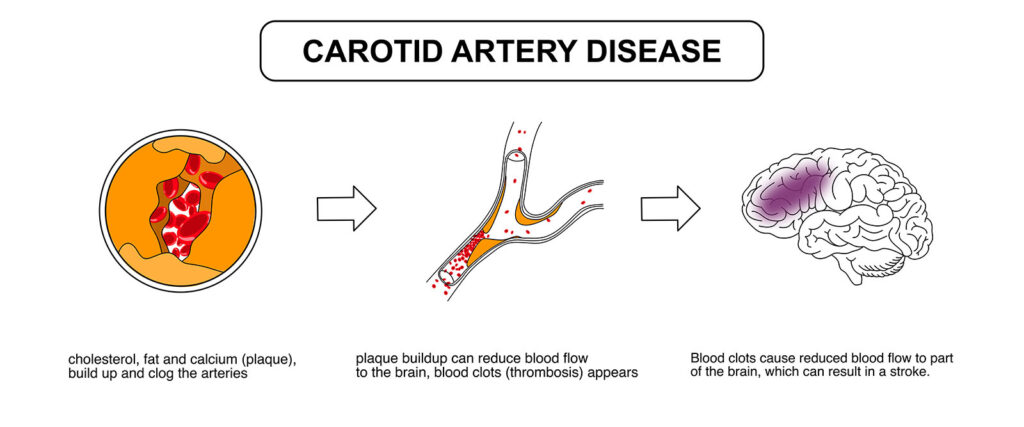
Carotid artery disease occurs when the arteries in your neck become narrowed or blocked due to plaque buildup. These arteries are essential because they supply oxygen-rich blood to your brain. When they become blocked, stroke risk increases, which may lead to long-term disability or serious complications.
Carotid artery disease often remains unnoticed until it leads to a stroke. This makes early detection and treatment crucial. In Indonesia, studies show that 37.5% of adults over 60 have asymptomatic carotid artery disease, meaning they could be at risk despite not showing symptoms.
With appropriate medical care, stroke risk may be reduced. Carotid stenting and endarterectomy are procedures that can aid in restoring blood flow. Patients can consult a vascular specialist to explore their options.
Understanding Carotid Artery Disease: Causes and Symptoms
Carotid artery disease develops when the carotid arteries—the main blood vessels in your neck—become narrowed due to plaque buildup. This plaque, composed of fat, cholesterol, and calcium, gradually accumulates and hardens over time—a process known as atherosclerosis. As the artery walls thicken, blood flow to the brain may decrease, potentially raising the risk of serious complications.
In the early stages, carotid artery disease often has no noticeable symptoms. The first warning sign may be a transient ischemic attack (TIA), sometimes called a “mini-stroke.” A TIA occurs when a temporary blockage restricts blood flow to the brain, potentially causing short-term symptoms like vision problems, numbness, or speech difficulties.
If left untreated, carotid artery disease can increase stroke risk, which could lead to permanent disability or life-threatening complications. Identifying the condition early is key to reducing risks and maintaining vascular health.
Who is at Risk? Causes of Carotid Artery Disease
Carotid artery disease most commonly develops due to atherosclerosis, a condition where plaque builds up inside the arteries, making them stiff and narrow. Over time, this may limit blood flow to the brain and increase stroke risk.
Several factors may contribute to the development of this disease:
- Medical conditions – High blood pressure, high cholesterol, diabetes, and heart disease may contribute to increased plaque buildup in the arteries.
- Lifestyle factors – Smoking, obesity, poor diet, and lack of exercise can contribute to artery narrowing.
- Age and genetics – The risk tends to rise after age 60, especially in individuals with a family history of stroke or vascular disease.
- Other risk factors – Excessive alcohol consumption has been associated with raised blood pressure and artery damage. Chronic stress may indirectly influence vascular health by increasing blood pressure and inflammation. Additionally, radiation therapy to the neck has been linked to vascular changes that could impact artery health.
Carotid artery disease often progresses without noticeable symptoms, making regular health screenings an important step in early detection. Identifying the condition early may help prevent severe complications such as stroke.
Your Treatment Options: From Lifestyle Changes to Surgery
The goal of treating carotid artery disease is to reduce stroke risk by restoring proper blood flow to the brain. Treatment depends on the severity of artery blockage and symptoms.
Non-Surgical Treatments (For mild to moderate cases)
- Medications – Blood thinners, statins, and blood pressure medications may help slow plaque buildup.
- Lifestyle changes – A healthy diet, regular exercise, quitting smoking, and weight management can contribute to reducing risk.
Surgical & Minimally Invasive Treatments (For severe cases, 70%+ blockage)
- Carotid endarterectomy (CEA) – A surgical procedure that removes plaque to restore blood flow.
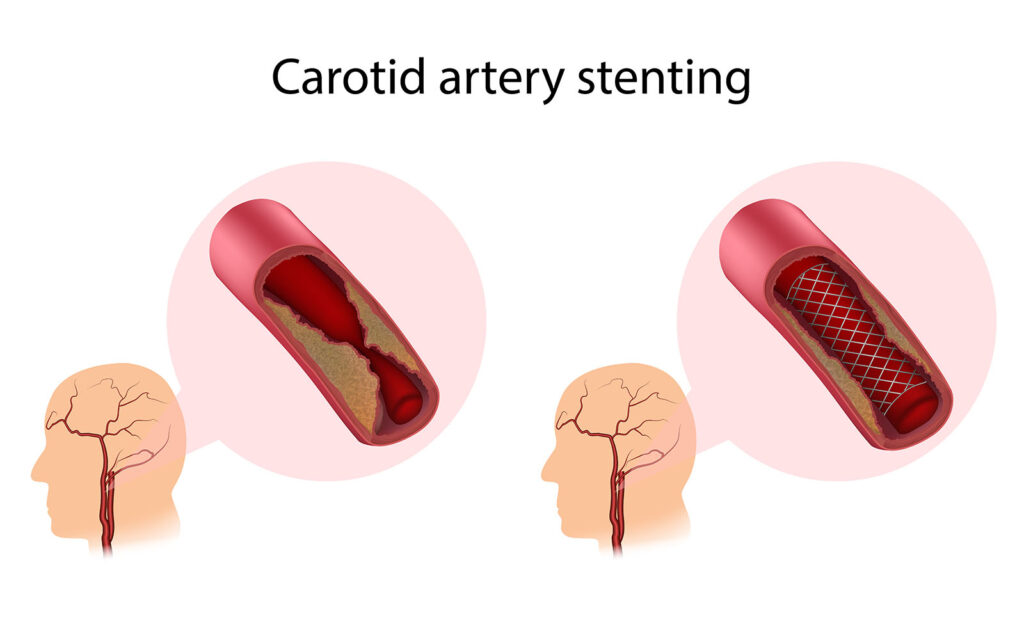
- Carotid artery stenting (CAS) – A stent is placed to keep the artery open.
- Transcarotid artery revascularization (TCAR) – A minimally invasive approach that may be considered for high-risk patients.
Treatment plans are determined based on each patient’s risk factors and overall health to support an individualized approach.
When Should You Consider Treatment? Key Signs to Watch For
Determining the right time for treatment can be complex depends on the severity of artery narrowing and individual risk factors. Medical guidelines prioritize patient safety and the prevention of stroke. If you’ve been diagnosed, you may wonder: Is treatment necessary now, or can I wait?
Here are general considerations for treatment:
- If the narrowing is mild to moderate – Lifestyle changes and medications may help manage the condition. Regular check-ups are important to track any progression.
- If the blockage is severe (above 70%) – Carotid artery stenting (CAS) or endarterectomy may be recommended to support blood flow and lower stroke risk.
- If you’ve had a stroke or TIA – Urgent treatment is needed. Surgery within two weeks can prevent another, more severe stroke.
Treatment decisions should be tailored based on overall health, test results, and lifestyle. Consulting a vascular specialist helps determine the most suitable approach.
How Carotid Stenting and Surgery Work to Prevent Stroke
Carotid endarterectomy (CEA) and carotid artery stenting (CAS) are procedures used to restore blood flow and prevent strokes.
Carotid Endarterectomy (CEA) – This surgical procedure involves making a small incision in the neck, removing the plaque blocking the artery, and closing the incision. CEA is frequently performed for patients with severe narrowing and may offer long-term benefits in stroke prevention.
Carotid Artery Stenting (CAS) – A minimally invasive procedure that involves inserting a stent to help keep the artery open. It may be considered for patients who are not ideal candidates for surgery.
Why These Treatments Work
- May help restore blood flow and reduce stroke risk
- Support long-term vascular health with either a cleared artery (CEA) or a permanent stent (CAS)
- Often allows for a shorter recovery time with CAS for patients needing a less invasive option
Treatment plans are personalized based on individual health, risk factors, and lifestyle to determine the most suitable approach.
Dr. Benjamin Chua is trained in both carotid endarterectomy (CEA) and carotid artery stenting (CAS), allowing him to recommend suitable options based on each patient’s condition. He assesses individual risk factors, medical history, and vascular health to guide treatment planning.
Healing After Treatment: What to Expect in Recovery
Successful recovery after carotid endarterectomy (CEA) or carotid artery stenting (CAS) depends on proper post-treatment care. Healing and complication prevention require adherence to medical recommendations.
What to Expect After Treatment
- Hospital stay – Patients typically remain under observation for one to two days before discharge.
- Wound care – The incision should be kept clean and dry to reduce the risk of infection. Specific post-procedure care instructions are provided by the medical team.
- Activity adjustments – Strenuous activities, including heavy lifting, are generally avoided for at least one week after CEA and a few days after CAS.
Long-Term Recovery and Prevention
- Taking prescribed medications – Blood thinners and cholesterol-lowering drugs may help maintain artery health.
- Lifestyle modifications – A balanced diet, regular exercise, and smoking cessation are recommended to support vascular health.
- Routine follow-ups – Carotid ultrasounds and check-ups are scheduled as needed to monitor recovery and artery condition.
Most patients gradually resume normal activities within two to four weeks. Follow-up care is important to support recovery and long-term health.
About Dr. Benjamin Chua’s Role in Stroke Prevention
Dr. Benjamin Chua is a vascular surgeon specializing in stroke prevention and the treatment of carotid artery disease. Dr Chua has performed more than 8,000 procedures, he performs procedures such as carotid endarterectomy and stenting to manage carotid artery disease and reduce stroke risk.
Dr. Chua is certified in both carotid endarterectomy (CEA) and carotid artery stenting (CAS), Dr. Chua is uniquely qualified to determine the most appropriate treatment for each patient. His approach focuses on individualized treatment plans, considering a patient’s medical history, risk factors, and overall vascular health to support a treatment plan aligned with current clinical guidelines.
For Indonesian patients, his team offers services such as a local consultation office and a Bahasa-speaking concierge service in Singapore to assist with treatment coordination.
Common Questions About Carotid Stenting and Surgery
A ruptured blood vessel in the neck may cause severe internal bleeding, reduced brain oxygen supply, and stroke. Symptoms can include sudden neck pain, dizziness, vision problems, and confusion. Immediate medical attention is typically required to prevent complications.
A blockage in a brain artery can lead to an ischemic stroke, depriving the brain of oxygen. Symptoms may involve sudden weakness, paralysis, speech difficulties, and vision loss. Prompt treatment is important to help reduce long-term damage or disability.
Plaque buildup is commonly linked to fatty deposits (atherosclerosis), which narrow blood vessels and increase stroke risk. In some cases, amyloid protein buildup—associated with conditions like Alzheimer’s disease—may also contribute. Medical evaluation is advised for appropriate management.
Symptoms of a blocked brain artery may include sudden weakness, difficulty speaking, vision disturbances, and loss of coordination. These could indicate an ischemic stroke, requiring urgent medical assessment.
Carotid artery surgery may be recommended when a significant blockage (typically 70% or more) reduces blood flow to the brain, increasing stroke risk. It is often advised for individuals with a history of stroke, transient ischemic attacks (TIAs), or severe artery narrowing.
While plaque cannot be completely removed, it may be managed through lifestyle changes, cholesterol-lowering medications, and blood pressure control. In severe cases, medical procedures like stenting or surgery might be required to reduce stroke risk.
Treatment depends on blockage severity. Mild cases may be managed with medication and lifestyle changes, while severe blockages could require carotid endarterectomy (surgical plaque removal) or stenting to restore blood flow.
Treatment varies based on severity and location. Options can include lifestyle modifications, medications, minimally invasive procedures like angioplasty and stenting, or surgical interventions such as endarterectomy or bypass surgery.
A ruptured carotid artery may cause rapid blood loss, stroke, or severe neurological damage, including paralysis and speech impairment. Emergency surgery is usually required to control bleeding and manage complications.
The carotid arteries supply oxygen-rich blood to the brain, face, and neck. They play an essential role in maintaining brain function. Blockages or damage to these arteries can increase the risk of stroke and other serious health conditions.
Take Charge of Your Health: Next Steps in Stroke Prevention
Carotid artery disease is a serious condition, but with appropriate treatment, patients may lower their stroke risk and support better long-term health outcomes. Carotid endarterectomy (CEA) and carotid artery stenting (CAS) are treatment options that may be considered based on individual health needs.
For Indonesian patients, support services are available, including a local office for consultations and a Bahasa-speaking concierge in Singapore to assist with coordination. Seeking medical advice from a qualified vascular specialist can help in exploring treatment options suited to their condition.