
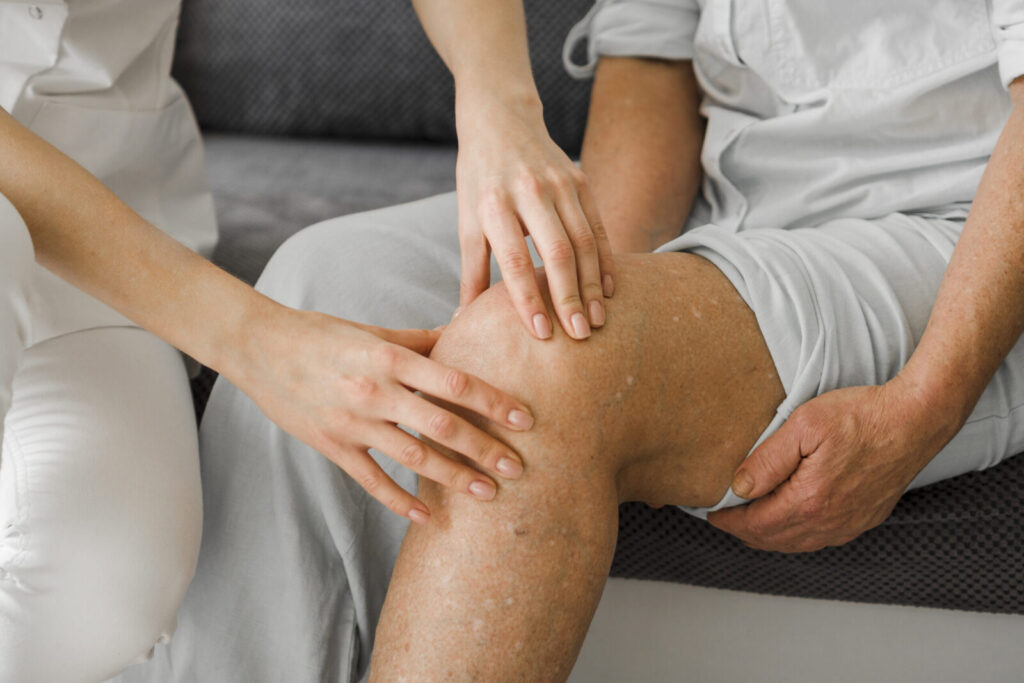
Varicose veins are more than just a cosmetic concern—they can cause pain and discomfort, potentially impacting your confidence. If you’ve noticed bulging veins in your legs or experienced aching and swelling, you’re not alone. Several clinically recognized treatment options are available for varicose veins. With advanced, minimally invasive techniques, these issues can be addressed without the need for major surgery, relieve symptoms and support daily activities

Dr Benjamin Chua, MBBS, MHSc, MRCSEd, FRCSed, FAMS
Table of Contents
Why Treating Varicose Veins Matters
Varicose veins are a common condition that affects many people, especially as they age. These enlarged, twisted veins often appear on the legs and can cause discomfort, swelling, and aching. Left untreated, they can worsen over time, leading to complications such as skin ulcers, bleeding, or even blood clots.
In Southeast Asia, varicose veins are increasingly common due to factors like genetics, prolonged standing, and lifestyle habits. Studies show that up to 62% of the population in certain Asian countries may be affected. Although some people view varicose veins as a cosmetic concern, they can significantly affect daily life by limiting mobility and causing persistent discomfort.
The good news is that effective treatments exist. With modern, minimally invasive procedures like Radiofrequency Ablation (RFA), you no longer have to live with the discomfort of varicose veins. Treatment options can be tailored to individual patient needs based on clinical assessment.
What Are Varicose Veins and Why Do They Occur?
Varicose veins develop when the valves inside your veins weaken, causing blood to pool instead of flowing smoothly back to the heart. This increased pressure makes veins enlarge, twist, and become visible under the skin, most commonly on the legs.
Many patients notice bulging, rope-like veins along with symptoms such as aching, heaviness, or swelling in the legs. Some may experience burning, cramping, or restless legs, especially after long periods of standing or sitting. In more severe cases, varicose veins can lead to skin changes, discoloration, or even ulcers.
If left untreated, varicose veins may worsen over time, affecting not just appearance but also comfort and mobility. Recognizing these symptoms early allows for effective treatment and prevents complications.
Risk Factors You Should Know
Varicocele occurs when valves in the veins that drain blood from the testicles malfunction, leading to blood pooling and vein enlargement. This often happens on the left side due to higher vein pressure or the “nutcracker effect”, where veins are compressed between arteries.
Risk factors include puberty or early adulthood, when testicular blood flow increases, and genetic predisposition. Activities involving prolonged standing or sitting may also contribute.
While varicocele is not life-threatening, it can impact fertility and cause discomfort. Understanding these causes and risks is essential for early diagnosis and effective management.
Why Do Varicose Veins Develop? Key Risk Factors
Varicose veins develop due to increased pressure in the veins, causing them to stretch and weaken over time. While some causes are unavoidable, certain risk factors make them more likely to develop.
Who Is Most at Risk?
- Genetics – If your parents have varicose veins, your risk is significantly higher.
- Aging – As veins weaken over time, blood flow becomes less efficient.
- Hormonal changes – Women are more prone due to pregnancy, menopause, or hormonal therapies.
Lifestyle and Health Factors
- Prolonged standing or sitting – Restricted circulation increases venous pressure.
- Obesity – Excess weight puts additional strain on leg veins.
- Pregnancy – Increased blood volume and pressure on veins make varicose veins more common.
While some risk factors are out of your control, maintaining a healthy lifestyle and avoiding prolonged inactivity can reduce the likelihood of varicose veins or slow their progression.
Your Best Options for Treating Varicose Veins
Varicose veins can now be treated with minimally invasive techniques that have been clinically validated and restore healthy circulation. While lifestyle changes can help manage symptoms, medical treatments may help reduce symptoms over time.
First-Line Management: Conservative Approaches
- Compression stockings – Improve circulation and reduce swelling.
- Lifestyle changes – Regular exercise, weight management, and leg elevation help reduce discomfort.
These methods do not eliminate varicose veins. For lasting results, medical procedures are often needed.
Minimally Invasive Treatments
hese treatments are designed to seal diseased veins without surgery.I specialize in three leading techniques:
- Radiofrequency Ablation (RFA) – Uses heat from a thin catheter to close the problem vein so blood flows through healthier ones.
- VenaSeal Glue Ablation – A special medical glue is used to seal the vein shut — minimal discomfort and no need for compression stockings in most cases.
- ClariVein (MOCA) Ablation – A small rotating wire and medication work together to close the vein without heat or surgery.
Other options include laser therapy (EVLT), sclerotherapy, and microphlebectomy for specific cases. A consultation will determine the best approach.
Signs It’s Time to Seek Treatment
Many of my patients ask, “How do I know when it’s time to treat my varicose veins?” The answer depends on how much they are affecting your daily life. Some people tolerate mild symptoms for years, while others find that discomfort worsens over time, making standing or walking more difficult.
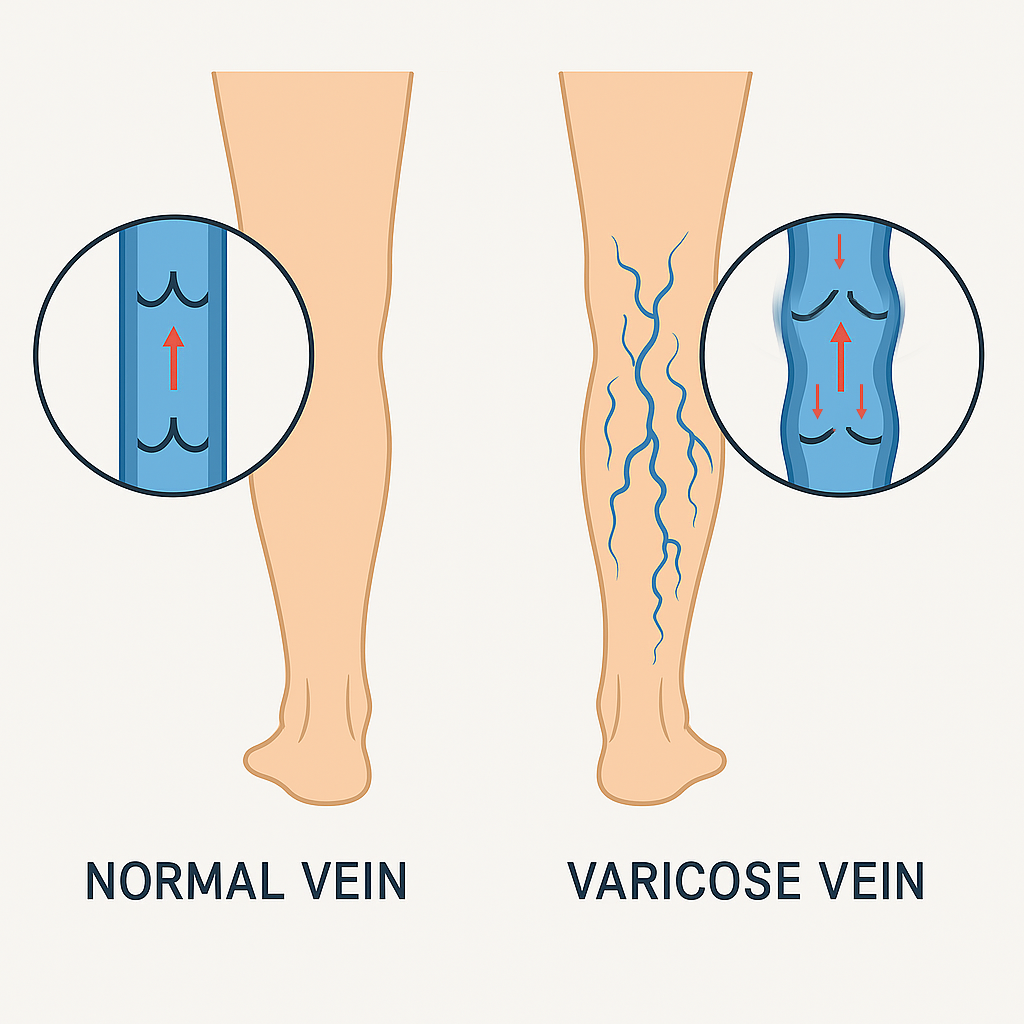
I recommend seeking treatment if you experience:
- Leg pain, aching, or heaviness – If your legs frequently feel tired or swollen, it may indicate poor circulation.
- Skin changes or darkening – Discoloration, itchiness, or thickened skin around veins may signal worsening venous disease.
- Swelling that won’t go away – If swelling persists despite rest, leg elevation, or compression therapy, medical treatment is often the next step.
- Open sores or bleeding veins – Ulcers or veins that bleed easily require urgent attention to prevent infection or complications.
Even if your symptoms seem minor, treating varicose veins early can prevent more serious problems. My goal is to provide effective, minimally invasive options that fit your lifestyle, so you can feel better and move comfortably again. If you’re unsure whether it’s time for treatment, I’m happy to discuss your options and help you make an informed decision.
What Happens During Treatment? A Step-by-Step Guide
Many of my patients ask what to expect during treatment—how it feels, how long it takes, and how soon they can return to daily life. The good news is that today’s varicose vein treatments are quick, comfortable, and require little to no downtime.
I specialize in three leading techniques, each with unique advantages depending on your condition and preferences.
How the Procedures Differ
- Radiofrequency Ablation (RFA) – A thin catheter is inserted into the vein under ultrasound guidance. Controlled heat seals the vein, rerouting blood flow to healthier veins. Best for larger veins, this procedure is associated with positive clinical outcomes in suitable patients but requires compression stockings post-treatment.
- VenaSeal Glue – Instead of heat, this technique seals the vein with medical adhesive, requiring only a single injection. Patients can skip compression stockings often able to return to daily activities shortly after the procedure. Ideal for those who want the least disruption to their routine.
- ClariVein (MOCA) – Uses a rotating catheter to deliver a chemical agent that closes the vein. This is the only non-thermal option, meaning it does not require anesthesia, making it a good choice for patients sensitive to heat-based treatments.
What to Expect During Treatment
- Minimally invasive – No large incisions or stitches.
- Short procedure time – Each treatment takes less than an hour in an outpatient setting.
- Little to no pain – Local anesthesia ensures a well-tolerated under local anesthesia.
- Fast recovery – Most patients walk out of the clinic and resume normal activities the same day.
Many of my patients are surprised at how minimally invasive with limited discomfort for most patients these treatments are. During your consultation, I’ll help you determine which option is best for you based on your vein size, lifestyle, and treatment goals.
Recovering After Treatment: What You Need to Know
Your treatment doesn’t end when you leave the clinic—your recovery is just as important. The good news is that with modern varicose vein treatments, you can return to normal activities quickly while ensuring the best results. I’ll be here to guide you every step of the way.
What to Expect After Treatment
- You can walk immediately – Walking helps improve circulation and supports healing.
- Minimal discomfort – Some mild bruising or tightness is normal but fades within days.
- Compression stockings – If you had Radiofrequency Ablation (RFA), I may recommend wearing compression stockings for a short period to optimize healing. If you had VenaSeal Glue or ClariVein (MOCA), you likely won’t need them.
How to Support a Smooth Recovery
- Stay active – Gentle movement prevents stiffness and promotes circulation.
- Avoid heavy lifting for a few days – This reduces strain on your veins.
- Elevate your legs when resting – This helps minimize swelling.
- Follow-up check-ups – We’ll assess your healing progress and ensure the treated veins remain closed.
Most patients return to work and daily activities within a day or two. If you ever have concerns, I’m always available to ensure your recovery is smooth and stress-free.
Dr. Chua’s Expertise: Why Patients Choose Him
Dr. Benjamin Chua is a vascular specialist with training and experience in minimally invasive techniques such as RFA, VenaSeal, and ClariVein. He has experience treating patients using minimally invasive methods such as RFA, VenaSeal, and ClariVein. Dr. Chua is trained in procedures such as RFA, VenaSeal, and ClariVein. His clinic provides support for Indonesian patients, including Bahasa-speaking staff and post-treatment assistance.
His team offers comprehensive support for Indonesian patients, including a Bahasa-speaking concierge service and a dedicated Indonesian office to assist with appointments and post-treatment care. Dr. Chua’s clinic offers services for Indonesian patients, including Bahasa-speaking support staff and assistance with scheduling and follow-up.
Common Questions About Varicose Vein Treatment
Varicose veins do not disappear on their own but can be treated with procedures like sclerotherapy or laser treatment. Without treatment, they may worsen over time and cause discomfort or complications.
Visible leg veins can result from genetics, aging, or prolonged standing. Weakened vein valves can cause blood pooling, making veins appear enlarged and more noticeable, especially with lifestyle factors like obesity or hormonal changes.
Not always. Mild cases can be managed with lifestyle changes and compression stockings. Surgery or minimally invasive treatments are recommended for severe cases causing pain, swelling, or other complications.
Bending your knees right after exercising can restrict blood flow, leading to pooling in the legs. Proper circulation is essential for recovery, and standing or gentle movement is better to support healthy vein function.
Avoid high-sodium foods, processed carbs, and alcohol, as they can cause fluid retention and poor circulation. High-fat dairy and processed foods may also contribute to inflammation and worsen varicose vein symptoms.
A ruptured varicose vein can cause significant bleeding and should be treated promptly. Although not usually life-threatening, it can lead to complications like infection or clotting if left untreated. Seek medical help if it occurs.
Varicose veins occur due to weakened valves in the veins, leading to blood pooling. Risk factors include genetics, age, obesity, hormonal changes, and prolonged standing or sitting, which can all contribute to vein issues.
Massage can provide temporary relief by improving circulation and reducing swelling, but it doesn’t cure varicose veins. Always consult a healthcare professional before trying massage, as improper techniques may worsen the condition.
Regular exercise, weight management, elevating your hands, and wearing compression gloves can help reduce symptoms. A healthy diet rich in anti-inflammatory foods can also improve circulation and support vein health.
Surgical treatments include laser therapy, radiofrequency ablation, and vein stripping. These procedures aim to close off affected veins and improve circulation. The best option depends on the severity and patient’s health condition.
Learn More About Varicose Vein Treatments
Varicose veins can affect more than just appearance—they can cause discomfort, swelling, and even complications if left untreated. Fortunately, modern treatments offer clinically accepted and minimally invasive procedures are available to manage symptoms and improve circulation.
With advanced techniques like Radiofrequency Ablation (RFA), VenaSeal Glue, and ClariVein (MOCA), these procedures are associated with reduced recovery times and symptom improvement in many patients. Whether you’re experiencing pain, persistent swelling, or simply want to prevent future complications, seeking timely treatment can make a significant difference.
Dr. Benjamin Chua and his team are dedicated to providing expert care with a patient-first approach, ensuring that every individual receives a treatment plan tailored to their needs. If you are considering varicose vein treatment, reach out to the Indonesian office today to schedule a consultation and take the first step toward relief.