

Dr Benjamin Chua, MBBS, MHSc, MRCSEd, FRCSed, FAMS
Table of Contents
Living with an Enlarged Prostate? Here’s What You Need to Know
An enlarged prostate, or benign prostatic hyperplasia (BPH), is a common condition that may cause frequent urination, difficulty starting or maintaining a urine stream, and sleep disturbances. While BPH is not life-threatening, its symptoms can interfere with daily activities.
There are several treatment options, including lifestyle changes, medications, and minimally invasive procedures. One such option is Prostate Artery Embolization (PAE), a non-surgical treatment that can help manage symptoms for some individuals.
Why Does the Prostate Enlarge and How Does It Affect You?
As men age, they may develop benign prostatic hyperplasia (BPH)—a condition where the prostate gland enlarges and presses against the bladder and urethra. This can lead to symptoms such as frequent urination, weak urine flow, and difficulty emptying the bladder. If left untreated, BPH can significantly affect your daily life, leading to discomfort, interrupted sleep, and even complications like urinary retention.
BPH is a common condition worldwide. BPH is a common condition among older men. Studies suggest that urinary symptoms associated with BPH increase with age. Various treatment options, including medications, lifestyle changes, and minimally invasive procedures, are available to help manage symptoms and support daily functioning.
This blog will explore what causes BPH and the different treatment options available, including Prostate Artery Embolization (PAE), a procedure that may help some patients relieve symptoms without the need for traditional surgery.
How an Enlarged Prostate Affects Your Daily Life
For some men, the first signs of benign prostatic hyperplasia (BPH) appear when daily activities—such as attending meetings, driving, or sleeping —are interrupted by frequent urges to urinate. Others may experience a weakened urine stream, difficulty starting or stopping urination, or a persistent feeling of incomplete bladder emptying.
The prostate is a small gland located below the bladder that surrounds the urethra—the tube that carries urine out of the body. Hormonal changes related to aging can cause the prostate to go larger. In some cases, this enlargement can compress the urethra, making it difficult to pass urine.
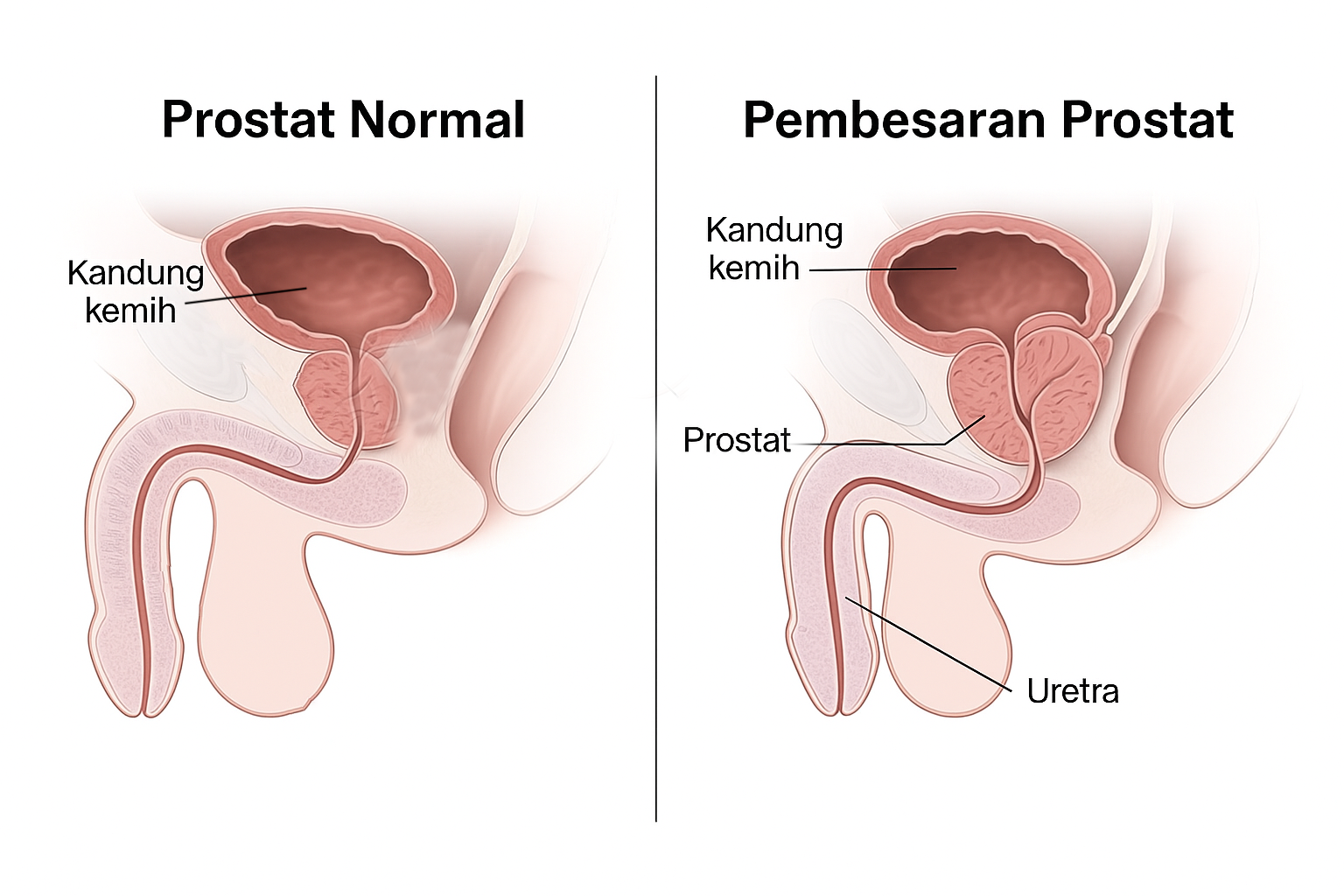
While BPH is not a cancerous condition, it may lead to urinary retention, bladder infections, or kidney-related complications in some cases. Treatment options, including lifestyle changes, medications, and minimally invasive procedures, are available to help manage symptoms and maintain urinary function.
What Triggers Prostate Enlargement? Key Risk Factors to Know
The exact cause of benign prostatic hyperplasia (BPH) is still being studied, but research suggest that it is primarily linked with hormonal changes that come with aging. As men grow older, a decline testosterone levels, combined with relatively stable estrogen levels, may contribute to prostate enlargement and related urinary symptoms.
Several risk factors increase the likelihood of developing BPH:
- Age – BPH uncommon before 40 but becomes more prevalent as men age.
- Family History – A family history of BPH may increase the risk.
- Lifestyle Factors – Some studies suggest obesity, physical inactivity, and poor diet are linked to an increased risk, while exercise and a balanced diet may lower the chances.
- Underlying Health Conditions – Conditions such as diabetes and heart disease may play a role due to their effects on hormone regulation and blood circulation.
Although BPH is not cancerous, its symptoms can worsen over time. Recognizing these risk factors early allows individuals to explore management options that may help alleviate symptoms and reduce complications.
Your Treatment Choices: From Lifestyle Changes to Minimally Invasive Solutions
For individuals experiencing benign prostatic hyperplasia (BPH), treatment options vary based on symptom severity, prostate size, and overall health. In some cases, lifestyle medications may be sufficient, while others may require medications or medical procedures to manage symptoms effectively.
Lifestyle Changes (For Mild Symptoms)
- Limit caffeine and alcohol – These subtance may irritate the bladder and worsen symptoms.
- Stay active – Regular exercise can help manage BPH symptoms.
- Avoid drinking fluids before bedtime – Limiting fluids in the evening can help reduce nighttime urination.
Medications
- Alpha-blockers – May help relax the muscles in the prostate and bladde, improving urine flow.
- 5-alpha reductase inhibitors – May gradually reduce the prostate size over time.
- Combination therapy – Uses a combination of both drug types for better symptom control.
Minimally Invasive Treatments
- Prostate Artery Embolization (PAE) – A procedure that reduces blood flow to the prostate, potentially leading to a decrease in size and symptom relief.
- Laser Therapy – Uses laser energy to remove or shrink prostate tissue.
- Water Vapor Therapy – Uses steam to destroy excess prostate tissue.
- Prostate Lift Procedure – Involves placing small implants to widen the urethra and improve urine flow.
Surgical Options (For Severe Cases)
- Transurethral Resection of the Prostate (TURP) – A procedure in which excess prostate tissue is removed through the urethra.
- Laser Enucleation – Uses laser technology to remove prostate tissue in a procedure similar to TURP.
In severe cases, surgical intervention may be necessary. Some individuals may experience symptom relief and resume activities sooner compared to traditional surgery, depending on their health condition. A healthcare professional can help determine the most appropriate treatment based on individual circumstances.
Is It Time for Treatment? Signs You Shouldn’t Ignore
Frequent urination and other urinary symptoms are often associated with benign prostatic hyperplasia (BPH), but symptom severity varies among individuals. If urinary symptoms interfere with daily activities or sleep, consulting a healthcare professional can help in exploring appropriate management options.
It may be beneficial to seek medical advice if you experience:
- Frequent urination, particularly at night (nocturia)
- A weak urine stream or difficulty initiating urination
- Urinary retention (a sudden inability to urinate)
- Recurrent urinary tract infections or blood in the urine
Treatment options vary based on individual needs. Prostate Artery Embolization (PAE) is one of several minimally invasive procedures that may help manage BPH symptoms. A healthcare provider can discuss whether PAE or other treatment approaches are suitable based on medical history and symptom severity.
PAE: A Minimally Invasive Approach to Managing BPH
Prostate Artery Embolization (PAE) is a minimally invasive procedure that reduces blood flow to the prostate, which may help relieve symptoms for some individuals. Unlike traditional surgery, PAE does not require incisions and is typically performed as an outpatient procedure. Recovery times vary based on individual health factors.
How PAE Works:
- A small catheter is inserted through an artery in the wrist or groin.
- X-ray imaging is used to guide the catheter to the arteries supplying blood to the prostate.
- Tiny particles are injected to reduce blood flow, which may lead to prostate shrinkage over time.
Potential Benefits of PAE:
- Minimally invasive – Usually performed as an outpatient procedure.
- Recovery experiences vary, and some individuals may be able to resume daily activities within a few days.
- Some clinical studies have explored whether PAE is associated with fewer sexual side effects compared to other procedures. Patients should consult a healthcare provider for personalized advice.
A healthcare provider can assess whether PAE or another treatment option is the most suitable approach based on individual health factors and symptom severity.
Life After PAE: Recovery and Expected Outcomes
Recovery following Prostate Artery Embolization (PAE) varies from person to person, but most individuals can return home on the same day and gradually resume daily activities. Symptom improvement timelines may vary. Some patients may notice gradual changes over several weeks.
What to Expect After PAE
- Mild symptoms – Some individuals may experience mild pelvic discomfort or changes in urination in the first few days.
- Recovery time – Many people resume normal activities within a few days, but recovery experiences vary.
- Gradual symptom improvement – As the prostate reduces in size, urinary symptoms may improve over several weeks.
A healthcare provider will offer guidance on post-procedure care and schedule follow-ups to monitor progress. Since individual responses to PAE differ, it is important to discuss expectations and recovery timelines with a medical professional.
Seeking Specialized Care for BPH Treatment
If you are exploring treatment options for benign prostatic hyperplasia (BPH), consulting a medical specialist can help determine an appropriate approach. Dr. Benjamin Chua is a vascular specialist who performs minimally invasive procedures such as Prostate Artery Embolization (PAE).
BPH may impact daily activities, particularly those related to urinary symptoms. A treatment plan based on medical evaluation and individual needs.
For Indonesian patients, Dr. Chua’s team provides a Bahasa-speaking concierge service to assist with consultations and treatment arrangements. Patients interested in learning more about PAE or other BPH treatments may consider speaking with a healthcare provider.
Everything You Need to Know About Enlarged Prostate and PAE
Symptoms of benign prostatic hyperplasia (BPH) may include frequent urination, a weak urine stream, difficulty starting or stopping urination, and nocturia (waking up at night to urinate). Some individuals may also experience a persistent sensation of incomplete bladder emptying or urinary urgency.
While the exact cause is not fully understood, factors such as hormonal changes with aging, genetics, obesity, and underlying health conditions like diabetes and heart disease may contribute. A decline in testosterone and an increase in dihydrotestosterone (DHT) have also been associated with prostate growth.
BPH and prostate cancer are separate conditions. Having BPH does not directly increase the risk of cancer. However, because both conditions can cause similar urinary symptoms, regular prostate screenings may help detect any underlying concerns.
BPH itself is not life-threatening, but if left untreated, it may lead to complications such as urinary tract infections, kidney problems, or bladder dysfunction. Seeking medical advice can help with symptom management and reduce the risk of complications.
Some individuals with BPH may experience changes in sexual function, such as erectile dysfunction or reduced libido. Additionally, certain treatments for BPH may have an impact on sexual health. Consulting a doctor can help determine appropriate treatment options while considering these factors.
In some cases, untreated BPH may lead to bladder infections, kidney damage, bladder stones, or severe urinary retention requiring emergency medical intervention. Discussing symptoms with a healthcare provider may help in preventing potential complications.
While BPH cannot be permanently reversed, symptoms can often be managed through lifestyle modifications, medications, or medical procedures such as minimally invasive treatments or surgery.
Some lifestyle changes may help manage BPH symptoms, including maintaining a balanced diet, engaging in regular exercise, limiting alcohol and caffeine, and performing pelvic floor exercises. Certain herbal supplements, such as saw palmetto, are sometimes used, though their effectiveness varies. It is advisable to consult a healthcare provider before starting any natural remedies.
Surgery may be recommended when BPH symptoms are severe, medications are ineffective, or complications such as urinary retention or kidney issues occur. Procedures such as Transurethral Resection of the Prostate (TURP) are commonly performed for individuals with significant prostate enlargement.
While BPH cannot always be prevented, some lifestyle adjustments—such as staying active, maintaining a healthy weight, and moderating caffeine and alcohol intake—may help lower the risk. Regular prostate check-ups can aid in early detection and management.
Exploring Treatment Options for BPH
Benign prostatic hyperplasia (BPH) can affect daily life, but several treatment options are available to help manage symptoms. If frequent urination, a weak urine flow, or sleep disturbances are impacting your well-being, consulting a healthcare provider may help determine an appropriate management plan.
Prostate Artery Embolization (PAE) is one of several minimally invasive procedures that may help relieve BPH symptoms. A medical evaluation can help determine whether PAE or another treatment option is suitable based on individual health needs.
For Indonesian patients, Dr. Benjamin Chua’s team provides a Bahasa-speaking concierge service to assist with consultation and treatment arrangements. Those seeking guidance on BPH management may consider speaking with a healthcare professional to explore available options.