

Modern Treatment Without Major Surgery
Many people think varicose and spider veins are only cosmetic concerns. However, these vein problems can also cause heaviness, swelling, aching, and discomfort that affect daily activities and confidence.
The good news is that treatment today is very different from traditional vein surgery. Modern minimally invasive procedures can treat problematic veins through small punctures with shorter recovery time and minimal disruption to work and daily life.

Dr Chen Min Qi, MBBS, MRC, FRCS, FAMS
How Vein Problems Affect Daily Comfort
Varicose and spider veins are common vein conditions that affect many adults, including across Asia. Many patients initially ignore the condition because they think it is only cosmetic.
However, untreated varicose veins can gradually cause leg heaviness, swelling, aching, skin changes, and discomfort during daily activities. Over time, these symptoms can affect mobility, prolonged standing, travel, exercise, and overall comfort. Modern minimally invasive treatments may help improve vein function, relieve symptoms, and improve the appearance of visible veins with shorter recovery time compared to traditional surgery.
Recognizing the Early Signs
Many patients first notice visible changes on their legs before realizing there is an underlying vein problem. Spider veins often appear as thin red, blue, or purple lines near the skin surface, while varicose veins are larger veins that look twisted, raised, or bulging under the skin.

As the condition progresses, symptoms may include:
- Leg cramps, especially at night
- Burning or throbbing discomfort
- Itching around the veins
- Tightness or pressure in the legs
- Skin discoloration near the ankles
Symptoms often become more noticeable after long periods of standing or sitting and may gradually affect daily comfort and mobility over time.
Who Is More Likely to Develop Vein Problems?
Several factors can increase the likelihood of developing varicose or spider veins. These include:
- Family history of vein disease
- Pregnancy or hormonal changes
- Prolonged standing or sitting
- Excess weight
- Increasing age
People whose work involves long hours of standing, frequent travel, or prolonged sitting may also notice symptoms becoming more noticeable over time.
When Should You See a Specialist?
Many patients delay treatment until the veins become larger or symptoms begin affecting daily activities. Earlier evaluation may help identify suitable treatment options before the condition progresses further.

Patients may consider seeing a vascular specialist if they experience:
- Persistent leg heaviness, aching, or swelling
- Bulging veins that continue becoming more visible
- Symptoms that worsen after prolonged standing or sitting
- Skin discoloration, itching, or discomfort near the lower legs
- Concerns about leg appearance that affect comfort or confidence
More urgent medical attention may be needed if there are sudden swelling, bleeding veins, severe pain, or slow-healing wounds.
A proper assessment, including ultrasound evaluation when needed, can help determine whether lifestyle measures or minimally invasive vein treatment may be appropriate.
How Modern Vein Treatments Work
The most suitable treatment depends on the size of the veins, the severity of symptoms, and the underlying circulation problem. Before treatment, a detailed vein assessment and ultrasound scan are usually performed to identify which veins are not functioning properly.
Today, many varicose-vein treatments can be performed using minimally invasive techniques without the need for major surgery. These procedures are designed to close or remove unhealthy veins while allowing blood to naturally reroute through healthier veins.
Common treatments include:
- Sclerotherapy
A special solution is injected into small varicose or spider veins, causing the veins to collapse and gradually fade over several weeks. This is commonly used for smaller visible veins.
- Laser treatment
Heat energy is used to seal abnormal veins without large surgical cuts. This may be suitable for certain surface or underlying veins depending on the condition.
- Radiofrequency ablation (RFA)
A thin catheter is inserted into the unhealthy vein through a very small opening. Controlled heat is then used to close the vein from inside, allowing blood to naturally reroute to healthier veins. This minimally invasive technique is commonly used for larger varicose veins.
- Micro-incision vein removal
Tiny openings are made on the skin to remove bulging vein segments. Because the incisions are very small, recovery is usually quicker compared to traditional vein surgery.
These treatments help relieve symptoms such as heaviness, swelling, aching, and leg discomfort while also improving the appearance of visible veins. Many patients are able to walk shortly after treatment and return to light daily activities within a few days, depending on the procedure performed.
Recovery After Vein Treatment
Recovery after modern varicose-vein treatment is usually more manageable compared to traditional vein surgery, especially when minimally invasive techniques are used. Many patients are encouraged to start walking shortly after treatment to support circulation and recovery.
Depending on the procedure performed, most patients are able to return to light daily activities or office-based work within a few days. Temporary bruising, tightness, or mild tenderness around the treated area can occur, but these symptoms generally improve gradually over time.
During recovery, patients are commonly advised to:
- Wear compression stockings for a period of time
- Walk regularly each day
- Avoid prolonged standing or sitting without movement
- Avoid heavy lifting or intense exercise temporarily
Long-term habits such as maintaining a healthy weight, staying physically active, and avoiding prolonged immobility may also help support vein health and reduce the likelihood of future vein problems developing.
About Dr Chen Min Qi
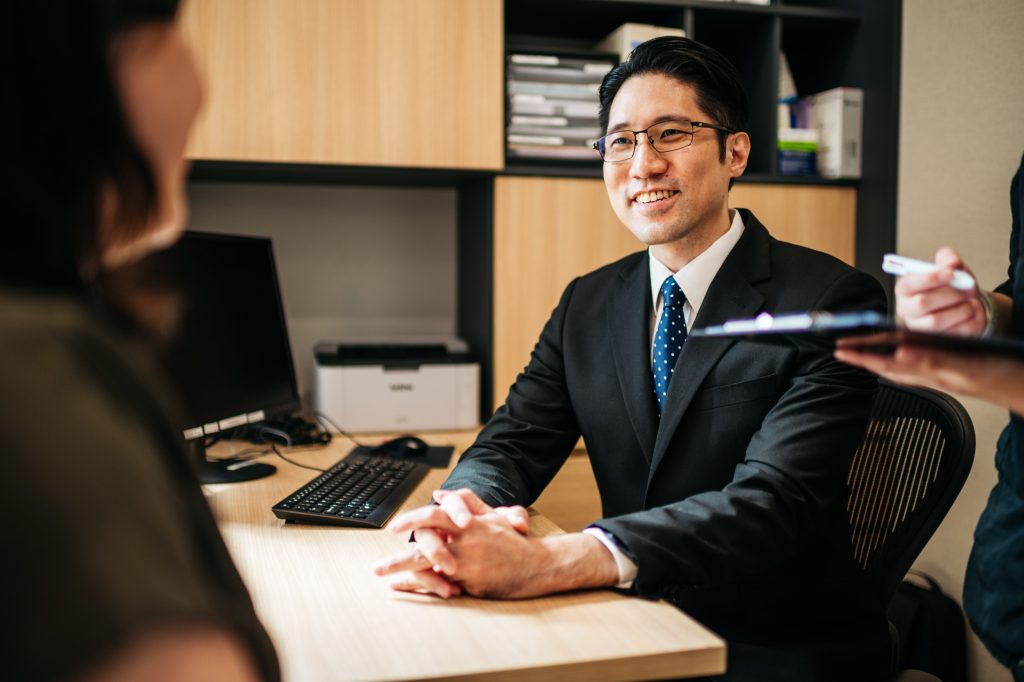
Dr Chen Min Qi is a fellowship-trained vascular and endovascular surgeon with experience in minimally invasive, image-guided vascular procedures. His practice includes the management of both common and complex vein conditions using modern treatment approaches designed to reduce recovery time and minimise disruption to daily activities.
Having performed more than 2,000 endovascular procedures, Dr Chen has experience in catheter-based and image-guided treatments requiring detailed anatomical knowledge and procedural precision. In addition to varicose-vein treatment, his practice includes procedures such as prostate artery embolization, uterine artery embolization, and thyroid nodule ablation.
At the Vascular & Interventional Centre, patients have access to advanced imaging facilities and a hybrid operating theatre equipped for minimally invasive vascular procedures. Treatment planning is tailored to each patient’s vein condition, symptoms, lifestyle, and recovery goals.
For Indonesian patients seeking treatment in Singapore, the clinic provides Bahasa-speaking concierge support and assistance with appointment coordination before and after treatment.
FAQs
Spider veins are usually harmless and mainly cosmetic. Varicose veins, however, can sometimes lead to pain, swelling, skin changes, bleeding, or slow-healing wounds if left untreated.
No. Once veins become enlarged or damaged, they usually do not disappear completely without treatment. Symptoms may temporarily improve with lifestyle changes or compression stockings, but the underlying vein problem often remains.
Not always. Some patients with mild symptoms may benefit from lifestyle measures or compression stockings alone. However, treatment may be considered when symptoms become persistent, the veins continue to enlarge, or swelling and skin changes begin to develop.
Not always. Many patients can be treated with minimally invasive procedures such as sclerotherapy, laser treatment, or radiofrequency ablation, which usually involve smaller punctures and shorter recovery time compared to traditional vein surgery.
Most modern vein treatments are generally well tolerated. Depending on the procedure performed, some patients may experience temporary bruising, tightness, or mild discomfort during recovery, which usually improves gradually over time.
Some patients choose treatment in Singapore because of access to minimally invasive vascular procedures, advanced imaging technology, and structured follow-up care. For patients travelling from Indonesia, coordinated appointment planning and shorter recovery time may also make treatment more convenient.
Treatment can effectively close or remove unhealthy veins, but new vein problems may still develop over time, especially in people with strong risk factors such as family history or prolonged standing jobs.
You should consider seeing a specialist if you experience persistent leg discomfort, swelling, visible bulging veins, skin changes, or symptoms that affect your daily activities or confidence.
Yes. Indonesian patients can receive assistance with appointment arrangements, medical coordination, and communication support to help make the treatment process smoother and more comfortable.
Yes. Teleconsultation may be available for suitable patients who would like an initial discussion about their condition, symptoms, or treatment options before planning their visit to Singapore.
Taking the Next Step Toward Healthier Legs
If you are considering minimally invasive vein treatment in Singapore, you may contact the clinic team via WhatsApp for consultation arrangements and care coordination with Dr Chen Min Qi.