

Do discomfort, swelling, or fertility challenges caused by varicocele affect your daily life? Learn how minimally invasive procedures can address varicocele symptoms effectively with reduced recovery times.

Dr Benjamin Chua, MBBS, MHSc, MRCSEd, FRCSed, FAMS
Table of Contents
Understanding Varicocele and Its Impact
Varicocele is a common condition that affects men, often causing discomfort, swelling, and fertility challenges. Diagnosis and treatment may help manage symptoms and improve certain fertility parameters.
Varicocele is a leading cause of male infertility worldwide, and its impact is especially pronounced In Indonesia and Southeast Asia, where it affects up to 15% of men in the general population and as many as 80% of men with secondary infertility.
The good news is that with proper care and effective treatment options, such as minimally invasive embolization, you can improve your reproductive health and manage your symptoms effectively.
How Varicocele Affects Your Health
Varicocele typically presents in adolescence or early adulthood and may be asymptomatic. In symptomatic cases, men may experience scrotal swelling, heaviness, or discomfort. It has been associated with decreased sperm quality in some individuals
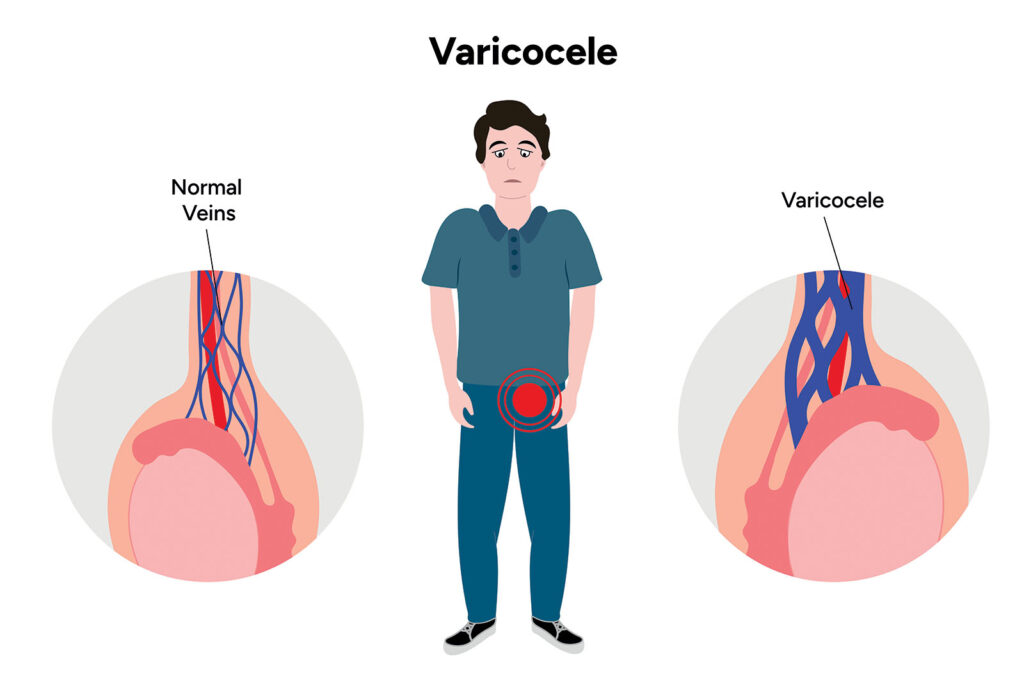
Varicocele happens when the valves in the veins within the scrotum malfunction, causing blood to pool and veins to enlarge. For many, it’s symptomless, but others may notice scrotal swelling, a persistent feeling of heaviness, or even reduced sperm quality, which can impact fertility.
If you’re facing similar symptoms, this condition affects approximately 15% of men in the general population and up to 40% of men with infertility issues. It’s most often diagnosed during adolescence or early adulthood and can be effectively managed with proper care.
Risk Factors You Should Know
Varicocele occurs when valves in the veins that drain blood from the testicles malfunction, leading to blood pooling and vein enlargement. This often happens on the left side due to higher vein pressure or the “nutcracker effect”, where veins are compressed between arteries.
Risk factors include puberty or early adulthood, when testicular blood flow increases, and genetic predisposition. Activities involving prolonged standing or sitting may also contribute.
While varicocele is not life-threatening, it can impact fertility and cause discomfort. Understanding these causes and risks is essential for early diagnosis and effective management.
Effective Varicocele Treatments Explained
If you’ve been diagnosed with varicocele, rest assured that effective treatment options are available. These range from lifestyle adjustments and medications to more advanced procedures.
Effective treatment options include both surgical and minimally invasive approaches. For instance, varicocelectomy is a surgical procedure where the affected veins are tied off to redirect blood flow to healthier veins. Minimally invasive embolization, on the other hand, involves inserting a small catheter into the affected vein to block blood flow, allowing the varicocele to shrink over time.
Treatment options include surgical and minimally invasive procedures. Embolization, for instance, is an outpatient technique that redirects blood flow using a catheter and occlusive materials. Clinical studies report positive outcomes for symptom management and fertility in selected patients. This outpatient procedure allows patients to resume daily activities quickly while effectively managing symptoms and improving fertility.
Choosing the right treatment depends on factors like the severity of symptoms, fertility goals, and your overall health.
Signs You Should Seek Varicocele Treatment
Treatment is typically considered when patients present with chronic pain, testicular atrophy, or fertility concerns. Medical consultation can help determine if intervention is appropriate based on clinical findings.
- Persistent pain: Chronic discomfort or scrotal pain that disrupts your daily life and doesn’t improve with basic care is a sign to consult a specialist immediately.
- If you’re facing fertility challenges: Many of my patients with abnormal semen parameters, such as low sperm count or poor sperm motility, may notice improvements in semen parameters after treatment, depending on individual conditions.
- When there’s noticeable testicular shrinkage: Testicular atrophy is a common sign that shouldn’t be ignored. Treating varicocele can help prevent further damage.
- If you’re planning for the future: Younger patients with varicocele and fertility concerns, as some clinical studies suggest it can improve certain semen parameters. Individual outcomes may vary
- Before assisted reproductive techniques: If you’re considering IVF or other assisted reproductive treatments, addressing your varicocele beforehand can improve your chances of success.
Each person’s situation is unique, and I’m here to help you decide if treatment is the right step for you. Together, we’ll develop a plan to protect your health and achieve an outcome that aligns with your treatment goals.
How Minimally Invasive Embolization Works
When it comes to treating varicocele, a well-established treatment option that is commonly used for varicocele management is minimally invasive embolization. Embolization involves guiding a catheter to the affected vein using imaging and inserting coils or agents to obstruct the varicocele. Studies show this technique has a lower risk of infection and allows for quicker return to daily activities in most patients.
During the procedure, I insert a small catheter through a tiny incision, usually in your groin or neck. Using imaging guidance, I carefully direct the catheter to the affected vein. Then, I introduce a special material, such as coils or a solution, to block blood flow to the varicocele. This allows the vein to shrink over time, restoring proper blood flow and reducing symptoms.
Recovery is typically fast, with mild discomfort reported by some patients. This outpatient procedure is designed to fit into your life with minimal disruption, so you can focus on what matters most. If you’re considering embolization, I’m here to answer your questions and guide you every step of the way.
Recovering After Varicocele Treatment
Recovering from minimally invasive embolization is quick and straightforward. After the procedure, you’ll be monitored briefly before going home the same day.
Rest is advised for 24 hours, and strenuous activities should be avoided for about 48 hours. Most patients return to normal routines within a day or two. You may experience mild discomfort at the incision site, which can be managed with over-the-counter pain relievers.
It’s important to follow care instructions, such as keeping the incision site clean and attending follow-up appointments to ensure the treatment’s success. If you notice severe pain, fever, or unusual swelling, seek medical attention promptly.
Most patients recover within a few days following embolization. Discomfort is usually mild and manageable with standard pain relief. Follow-up care is essential to monitor clinical progress and healing.
Minimally Invasive Varicocele Procedures by Dr. Benjamin Chua
Dr. Benjamin Chua is a specialist in vascular and interventional radiology. He has performed over 8,000 image-guided procedures involving minimally invasive techniques. His clinical focus includes the management of varicoceles using embolization and other image-guided therapies.
For international patients, coordination support is available through an administrative office in Indonesia and Bahasa-speaking staff in Singapore. This facilitates appointment scheduling and follow-up communication.
Patients interested in varicocele treatment can consult with Dr. Chua to discuss appropriate options based on clinical evaluation and individual needs.
FAQs: All You Need to Know About Varicocele
Varicocele often has no symptoms and is usually discovered during a routine exam or fertility check. Common signs include a dull ache, heaviness in the scrotum, or veins that feel like a “bag of worms.”
Varicocele can cause intermittent discomfort, especially when touched or during physical activity. Pain may worsen after standing for long periods but varies—some men experience no pain at all.
Untreated varicocele may lead to infertility, testicular shrinkage, or chronic pain. In severe cases, medical intervention such as surgery may be necessary to prevent complications and improve quality of life.
Yes, many men with varicocele can father children. However, it can affect sperm quality and production, potentially making conception difficult. Treatment options may help improve fertility outcomes.
Yes, varicocele does not go away on its own. It may remain stable or worsen over time. Treatment options such as surgery or embolization can effectively manage the condition and prevent complications.
Treatment options include surgery (varicocelectomy), a minimally invasive procedure called embolization, and conservative management such as lifestyle changes and pain relief medications for mild cases.
Varicocele does not directly cause erectile dysfunction but may contribute to hormonal imbalances affecting sexual function. If you experience erectile issues, consulting a doctor is recommended to rule out other causes.
No, surgery is only recommended if varicocele causes infertility, significant pain, or testicular shrinkage. Mild cases without symptoms often do not require surgical treatment.
Varicocele occurs due to faulty valves in the veins, leading to blood pooling and vein enlargement. Factors such as genetics, anatomical variations, and increased abdominal pressure contribute to its development.
Yes, varicocele can reduce sperm count and quality by increasing testicular temperature and disrupting hormone levels. Treating varicocele may help improve semen quality and fertility outcomes.
Contact Us for Expert Varicocele Treatment
For individuals experiencing discomfort, swelling, or fertility challenges caused by varicocele, advanced treatments such as minimally invasive embolization offer an effective solution. This modern approach provides relief and helps improve overall quality of life with minimal recovery time.
For more information on minimally invasive varicocele treatment options, contact the clinic team to discuss available services and schedule a consultation
Patients can reach out to Dr. Chua’s Indonesian office for more information or to schedule an appointment. With his clinical experience and patient-focused approach, patients can feel supported in achieving better health and well-being.