

A stroke can change life in an instant, but it doesn’t have to define the future. Recent advancements in stroke intervention, such as thrombectomy and stenting, have shown potential to improve patient recovery in specific clinical scenarios. If you or a loved one has suffered a stroke, understanding these life-saving options could make all the difference.
Dr Benjamin Chua, MBBS, MHSc, MRCSEd, FRCSed, FAMS
Table of Contents
A Second Chance After Stroke
Stroke remains a significant health concern in Indonesia, with the prevalence increasing by approximately 56% over five years—from 0.7% in 2013 to 1.09% in 2018. This rise underscores the urgent need for effective prevention and treatment strategies. Without prompt treatment, it can result in long-term disability or even loss of life.
However, advancements in medical treatments like thrombectomy and stenting offer additional treatment pathways. With timely and effective care, patients can regain their health and return to their daily lives with improved well-being.
Recognizing Stroke: Signs and Symptoms
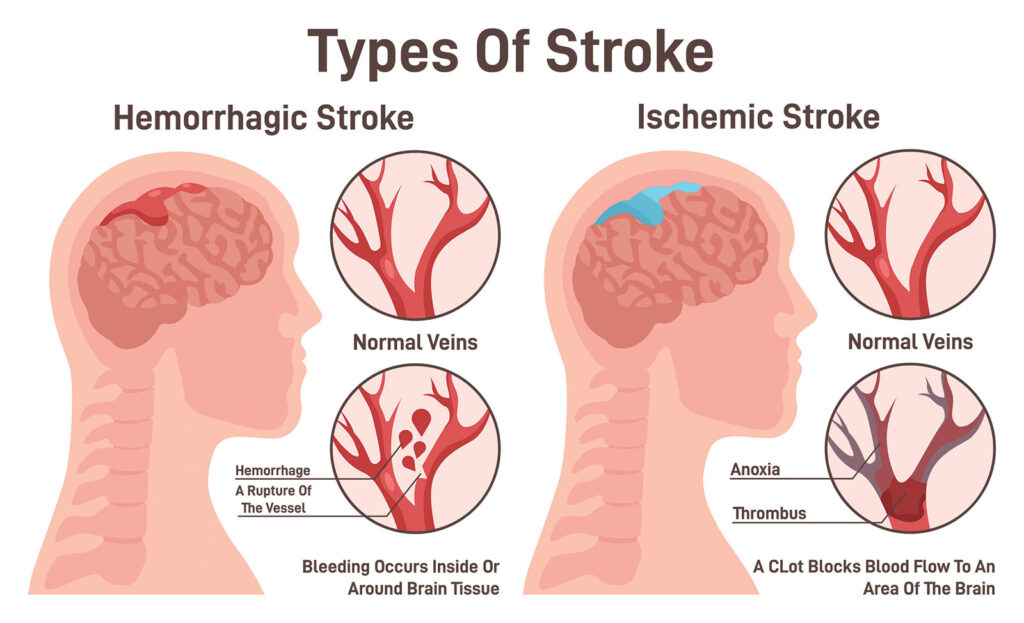
A stroke happens when blood flow to the brain is disrupted, either by a blockage (ischemic stroke) or bleeding (hemorrhagic stroke). Recognizing the warning signs early can make all the difference in saving a life and reducing long-term damage.
Common warning signs include:
- Sudden numbness or weakness—especially on one side of the body, affecting the face, arm, or leg.
- Slurred speech or confusion—difficulty speaking, understanding others, or forming coherent sentences.
- Loss of coordination or dizziness—feeling unsteady, struggling to walk, or losing balance unexpectedly.
- Severe headaches with no known cause—especially if they come on suddenly and feel unlike any headache before.
Acting quickly can minimize brain damage and improve recovery outcomes. Every second counts—getting medical attention immediately could mean the difference between full recovery and lifelong disability.
Preventing Stroke: Know the Factors
Stroke is not always preventable, but understanding the risks can help reduce the chances of it happening. Some factors are beyond control, but many can be managed through lifestyle changes and medical care.
Causes of Stroke:
- Blocked Blood Flow: Ischemic strokes occur when a blood clot or fatty deposits narrow or block blood flow to the brain.
Burst Blood Vessel: Hemorrhagic strokes happen when a weakened blood vessel ruptures, leading to bleeding in or around the brain.
Risk Factors to Watch For:
• Modifiable Risks: These are factors you can control to lower your stroke risk:
• High blood pressure – the leading cause of strokes.
• Diabetes – increases the likelihood of blood vessel damage.
• High cholesterol – contributes to plaque buildup in arteries.
• Smoking – damages blood vessels and increases clot formation.
• Excessive alcohol consumption – raises blood pressure and weakens arteries.
• Obesity and lack of physical activity – lead to poor heart health and circulation problems.
• Non-Modifiable Risks: These are factors beyond control but still important to understand:
• Age – The risk increases with age, particularly after 55.
• Family history – A close relative with a history of stroke may indicate a genetic predisposition.
• Gender – Men have a slightly higher risk, but women tend to experience more severe strokes.
While some factors can’t be changed, many strokes can be prevented with the right habits and medical attention. Managing blood pressure, keeping cholesterol in check, eating a balanced diet, staying active, quitting smoking, and limiting alcohol are all crucial steps. Regular check-ups with a doctor can help detect and manage risks before they become serious.
Taking proactive steps today can lead to a healthier, stroke-free future.
Innovative Solutions for Stroke Care
Advancements in stroke treatment have revolutionized patient recovery, offering treatment options that were previously unavailable and may support better outcomes. The right treatment depends on the type and severity of the stroke, but modern medical solutions now provide more effective ways to restore health and prevent long-term damage.
Treatment Options:
- Medications: Blood thinners like aspirin help prevent and treat clots, while other drugs manage high blood pressure and cholesterol to lower stroke risk.
- Thrombectomy: A minimally invasive procedure that removes a blood clot from the brain’s arteries. This treatment is particularly effective for ischemic strokes caused by large clots and can dramatically improve recovery chances if performed in time.
- Stenting: When a blood vessel remains narrowed after a thrombectomy, a stent is placed to keep the artery open, ensuring continuous blood flow to the brain.
The introduction of thrombectomy and stenting has significantly improved stroke survival rates and recovery outcomes. These procedures aim to restore blood flow and may improve neurological outcomes when administered promptly..
By combining medical advancements with early intervention, stroke patients now have better prospects than ever before. Timely treatment can make the difference between a full recovery and lasting impairment, making awareness and quick action critical.
Recognizing When It’s Time for Advanced Care
When a stroke happens, every second counts. If symptoms such as sudden weakness, slurred speech, or dizziness appear, seeking emergency care immediately—ideally within the critical 4.5-hour window—can make a life-saving difference. Quick action ensures better chances of recovery and minimizes long-term damage.
Sometimes, initial treatments like medication alone may not be enough to restore proper blood flow. This is when advanced procedures such as thrombectomy and stenting become essential. If imaging scans reveal a large clot blocking an artery or significant narrowing of blood vessels, these interventions can effectively reopen pathways and prevent further brain damage.
Understanding when to escalate care is crucial. If stroke symptoms persist or worsen despite initial treatment, it’s a strong indicator that more advanced solutions are needed. With expert guidance and the right intervention at the right time, patients can significantly improve their recovery outcomes and regain control of their lives.
I’m here to guide you through these decisions, ensuring you get the right treatment at the right time for the best possible outcome.
Thrombectomy and Stenting: What You Need to Know
When it comes to treating ischemic strokes caused by large blood clots, thrombectomy and stenting offer life-saving solutions. These advanced procedures help restore blood flow to the brain, minimizing damage and improving recovery outcomes.
Thrombectomy: Removing the Blockage
Thrombectomy is a minimally invasive procedure designed to remove a clot from a blocked artery in the brain. A catheter is inserted through an artery in the groin or wrist and guided to the blockage, where the clot is carefully extracted. This procedure is most effective when performed within 6 to 24 hours of stroke onset, significantly reducing the risk of long-term disability.
Stenting: Keeping the Blood Flowing
In some cases, even after a clot is removed, the artery remains dangerously narrow. This is where stenting comes in. A tiny, expandable stent is placed inside the artery to keep it open, ensuring continuous blood flow and reducing the risk of future blockages.
Key Benefits of These Procedures:
- Rapid Restoration of Blood Flow – Helps limit brain damage and increases the chances of recovery.
- Reduced Risk of Disability – Patients who undergo thrombectomy and stenting often regain more independence.
- Minimally Invasive Approach – Faster recovery times compared to traditional surgery.
- Increased Survival Rates – More patients are able to return to normal activities after treatment.
For eligible stroke patients, these advanced treatments provide a crucial opportunity for recovery. With quick intervention and expert care, patients can look forward to a better quality of life after stroke.
Your Journey to Recovery After a Stroke
Recovering from a stroke is a journey that requires time, dedication, and expert guidance. While medical treatments like thrombectomy and stenting can restore blood flow and minimize damage, rehabilitation plays a crucial role in regaining independence and quality of life.
After thrombectomy or stenting procedure, you may notice improvements within a few weeks, though full recovery might take several months, depending on the severity of your stroke. Together, we’ll track your progress and adjust your treatment plan to ensure the best results.
During recovery, you may benefit from the following:
- Rehabilitation Therapy: Physical, occupational, and speech therapy help patients regain movement, strength, and communication skills.
- Medication Management: Continued use of blood thinners and other prescribed medications prevents future strokes.
- Lifestyle Adjustments: A heart-healthy diet, regular exercise, and quitting smoking support long-term recovery and prevent recurrence.
- Emotional Support: Stroke recovery can be mentally challenging—support from family, friends, and counselors can make a significant difference.
With the right care and persistence, stroke survivors can regain independence and lead fulfilling lives. Every step forward, no matter how small, is progress toward recovery.
Approach to Stroke Management
When seeking stroke treatment, expertise matters. Dr. Benjamin Chua is a vascular surgeon with extensive clinical training and qualifications in Singapore, with a background in managing complex stroke cases over many years. As the Medical Director and Senior Consultant Vascular Surgeon at the Vascular & Interventional Centre, Dr. Chua has managed a large number of stroke cases using minimally invasive vascular techniques.
Dr. Chua’s expertise is built on a strong foundation. He graduated from the National University of Singapore and trained at prestigious institutions such as Duke University and St. Vincent’s Hospital in Melbourne, Australia. He has performed over 8,000 vascular procedures during his career. Dr. Chua is actively involved in regional professional training and technique-sharing across the Asia-Pacific region. His deep commitment to patient care and continuous research that his patients receive care based on current medical standards and practices tailored to their needs.
Indonesian patients benefit from dedicated support, including a Bahasa-speaking concierge team and an office that facilitates travel, treatment, and rehabilitation. Through modern techniques and patient-centered care, Dr. Chua provides clear guidance aimed at supporting patients through their treatment and recovery.
FAQ
Stroke recovery depends on timely medical treatment, such as thrombolytic drugs within 3–4.5 hours for ischemic strokes. Full recovery is possible for some, while others may face lasting disabilities requiring rehabilitation.
Exhaustion alone doesn’t cause stroke but can contribute to risk factors like high blood pressure and heart issues. Maintaining a balanced lifestyle is key to reducing these risks.
A mild stroke, or transient ischemic attack (TIA), involves temporary symptoms like weakness or slurred speech that last minutes to hours. It’s a warning sign requiring immediate medical attention.
Post-stroke restrictions may include limiting physical exertion, adopting a healthy diet, avoiding smoking or alcohol, and attending therapy sessions. Following medical advice is crucial to recovery.
Young people may experience sudden weakness, speech difficulties, vision changes, dizziness, or severe headaches. Early recognition and prompt medical care are essential as strokes can happen at any age.
Lower stroke risk by managing blood pressure, eating a healthy diet, exercising regularly, quitting smoking, reducing alcohol, and getting enough sleep. Regular health check-ups are also crucial.
If you notice stroke symptoms, call emergency services immediately. Early treatment improves recovery chances and reduces the risk of permanent brain damage.
Caring for stroke survivors involves assisting with daily tasks, supporting rehabilitation exercises, ensuring a healthy diet, monitoring medications, and providing emotional support. Family involvement and creating a safe environment are also essential.
Post-Stroke Recovery Journey
A stroke can be overwhelming, but it doesn’t mean the end of independence or quality of life. Thanks to medical advancements like thrombectomy and stenting, many patients can recover and regain their strength. The key is timely care, expert guidance, and a personalized treatment plan.
Dr. Benjamin Chua and his team at the Vascular & Interventional Centre are dedicated to providing cutting-edge, compassionate stroke care. If you or a loved one is seeking advanced treatment and expert guidance, reach out to the Indonesian office today. Take the first step toward recovery with trusted hands by your side.