
Uterine fibroids are a common condition among women that may cause symptoms such as heavy periods and pelvic pain. Many women experience these symptoms without realizing that uterine fibroids—non-cancerous growths in or on the uterus—could be the cause.
Uterine Fibroid Embolization (UFE) is a minimally invasive treatment option that may provide symptom relief for selected patients. This article explores what fibroids are, who may be at risk, and how UFE can provide relief.

Dr Benjamin Chua, MBBS, MHSc, MRCSEd, FRCSed, FAMS
Table of Contents
What Are Uterine Fibroids?
Uterine fibroids are non-cancerous growths that develop in or on the uterus, affecting millions of women—especially during their reproductive years. They can vary in size, from as small as a seed to as large as a melon. Some women don’t experience any symptoms, while others struggle with heavy menstrual bleeding, pelvic pain, and even fertility issues.
In Indonesia and Southeast Asia, studies estimate that fibroids affect between 2.39% to 11.7% of gynecology inpatients. However, many cases go undiagnosed, highlighting the importance of awareness and regular medical check-ups.
Symptoms You Shouldn't Ignore
Fibroids don’t always cause noticeable symptoms, but when they do, they can significantly impact daily life. If you’ve been experiencing any of the following, it might be time to speak with a doctor:
- Unusually heavy or prolonged periods that leave you feeling drained and fatigued.
- Persistent pelvic pain or pressure that makes sitting, walking, or exercising uncomfortable.
- Frequent urination or trouble emptying your bladder, often due to fibroids pressing against the bladder.
- Abdominal bloating or swelling.
Difficulties with fertility or pregnancy complications, especially if fibroids are affecting the uterine cavity.
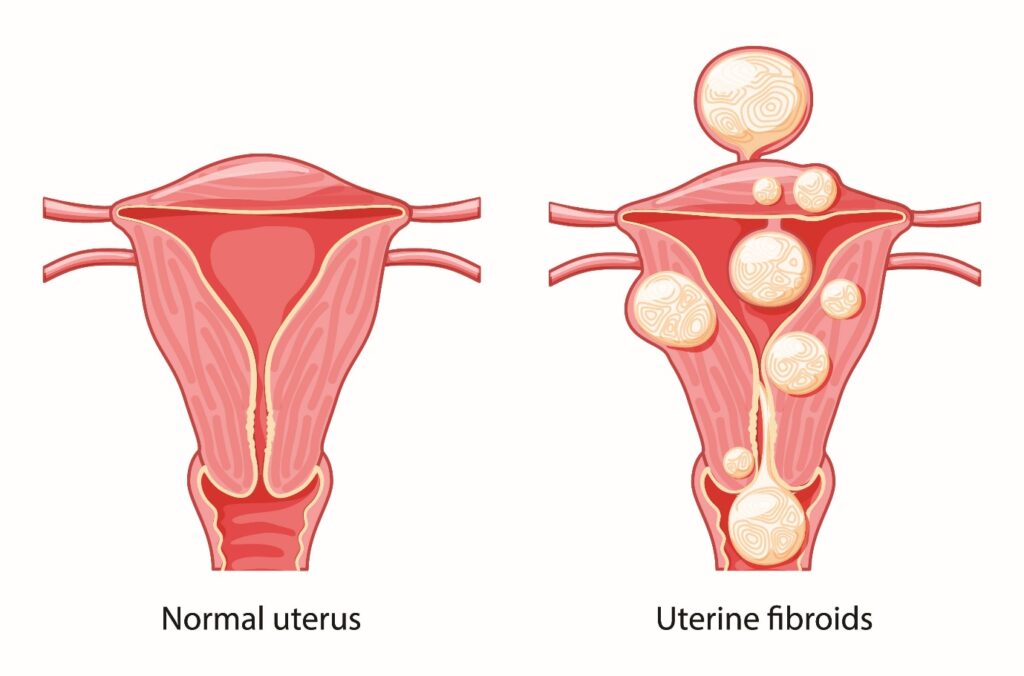
Fibroids can develop in different areas of the uterus:
- Intramural fibroids– Grow within the uterine wall and can cause heavy periods and pelvic discomfort.
- Subserosal fibroids– Develop on the outer surface of the uterus and may lead to bloating or urinary issues.
- Submucosal fibroids– Grow inside the uterine cavity, often contributing to excessive bleeding and fertility concerns.
If you are experiencing these symptoms, consider seeking medical advice to determine the underlying cause and discuss appropriate treatment options.
Who's at Risk for Fibroids?
The exact cause of uterine fibroids remains unclear, but research suggests that hormonal and genetic factors may contribute. Several factors are associated with an increased likelihood of developing fibroids:
- Hormonal factors – Estrogen and progesterone play a role in fibroid growth.
- Genetic factors – A family history of fibroids may increase the risk.
- Age – Fibroids are most common in women between 30 and 50 and often shrink after menopause.
- Obesity – Higher body fat levels are linked to increased estrogen production.
- Early menstruation – Starting menstruation before age 12 has been linked to a higher fibroid risk.
- Lifestyle factors – A diet high in red meat and low in fruits, or excessive alcohol consumption, may influence fibroid growth.
Although fibroids are benign, they can significantly affect your health and daily comfort. Understanding your risk factors and paying attention to symptoms can help you take proactive steps toward managing them.
Your Treatment Options: Medications to UFE
If you’re dealing with fibroids, you have several treatment options depending on your symptoms, fibroid size, and future pregnancy plans.
Options include:
- Medications – Certain hormonal therapies, such as GnRH agonists, may help temporarily shrink fibroids, though they are not considered a long-term solution.
- Minimally invasive treatments – Uterine Fibroid Embolization (UFE) works by cutting off the blood supply to fibroids, causing them to shrink while keeping your uterus intact.
- Surgical options – Myomectomy involves removing fibroids while keeping the uterus intact. In cases where other treatments are not effective, a Hysterectomy, which involve removing the uterus, may be an option.
Each treatment option comes with its own benefits and considerations. Consulting with a doctor can help you choose the best path for your health and lifestyle.
UFE : Procedure to Relieve Fibroid Symptoms
If the thought of surgery worries you, UFE is a minimally invasive procedure that has been shown in clinical studies to reduce symptoms in some patients. It may be suitable for women who prefer to avoid surgery. Consultation with a qualified specialist is recommended to assess suitability. How UFE Works
A small catheter is inserted into an artery (usually in the wrist or groin) and guided to the blood vessels supplying the fibroids. Tiny particles are then injected to block blood flow, causing the fibroids to shrink naturally over time. The procedure is performed under local anesthesia, and most women can go home the same day.
When UFE May Be Considered
- Minimally Invasive – Requires only a small incision, which may contribute to a shorter recovery time.
- Uterus-preserving – An alternative to hysterectomy for women who want to keep their uterus.
- Faster recovery – Many women can resume normal activities within one to two weeks
- Symptom improvement – Many patients report reduced symptoms after the procedure
As with any procedure, UFE may not be suitable for everyone. A doctor can evaluate whether this treatment aligns with your health considerations.
Healing and Recovery After UFE
Recovery from UFE is usually smooth, and most patients feel better within a couple of weeks.
Healing & Recovery Tips
- Expect mild cramping and fatigue for a few days—this is normal and manageable with pain relief.
- Light vaginal bleeding or discharge may occur as fibroids shrink.
- Symptom improvement happens gradually, with many women noticing changes within a few months.
How to Ensure a Smooth Recovery
- Take it easy for a few days and listen to your body.
- Stay hydrated and eat a balanced diet to support healing.
- Attend follow-up appointments to monitor progress.
If you’re ready to take control of your health and explore UFE as a solution, consult a qualified vascular specialist to determine if UFE is suitable for your condition.
Consider Dr. Benjamin Chua for UFE
Dr. Benjamin Chua is a Senior Consultant Vascular Surgeon at the Vascular & Interventional Centre in Singapore. He performs minimally invasive vascular procedures such as UFE. Indonesian patients can access a Bahasa-speaking concierge service for assistance with travel and consultation.
Dr. Benjamin Chua is a Senior Consultant Vascular Surgeon at the Vascular & Interventional Centre, with experience in minimally invasive vascular procedures such as UFE. He completed training at Duke University and St. Vincent’s Hospital (Melbourne).
Beyond his expertise, Indonesian patients benefit from dedicated support, including a Bahasa-speaking concierge service to assist with travel and consultations. Dr. Chua prioritizes clear communication and patient education, ensuring that every patient understands their options and feels supported throughout their journey to better health.
Answers to Your Most Pressing Questions
Fibroids can cause heavy or prolonged periods, pelvic pressure, frequent urination, bloating, constipation, or pain during intercourse. Some women have no symptoms, while others may experience significant discomfort.
The exact cause is unknown, but fibroid growth is influenced by estrogen and progesterone. Other factors, including genetics, obesity, and hormonal changes, may also contribute.
Fibroids are typically identified through pelvic exams, ultrasounds, or MRIs. In some cases, additional tests like hysteroscopy or laparoscopy may be used to assess their location and size.
Fibroids are non-cancerous, but they can cause complications such as anemia from heavy bleeding, pelvic pain, and pressure on nearby organs, leading to urinary or digestive discomfort.
Fibroids may shrink naturally after menopause due to decreased estrogen levels. Certain medications can also help manage symptoms, but larger fibroids may require medical intervention.
Yes, options include hormonal therapy or uterine fibroid embolization (which reduces blood supply to fibroids) to shrink fibroid tissue.
Uterine Fibroid Embolization (UFE), hormonal therapy, and focused ultrasound therapy are non-surgical options that may help reduce fibroid size and symptoms while preserving the uterus.
No, fibroids are solid tumors that grow in the uterus, while ovarian cysts are fluid-filled sacs in the ovaries. Both conditions can cause symptoms but require different treatments.
Learn More About UFE and Whether It’s Suitable for You
Uterine fibroids can be challenging, but they don’t have to control your life. If you’re struggling with symptoms, Uterine Fibroid Embolization (UFE) offers a minimally invasive, effective way to relieve discomfort while keeping your uterus intact. Learn more about UFE and consult a qualified healthcare professional to discuss your treatment options